
Smart Logistics
Development
Develop smarter logistics through digitalization, traceability, control-tower visibility, predictive tools and appropriate AI.
DownstreamLogisticsDigitalization
Service Overview
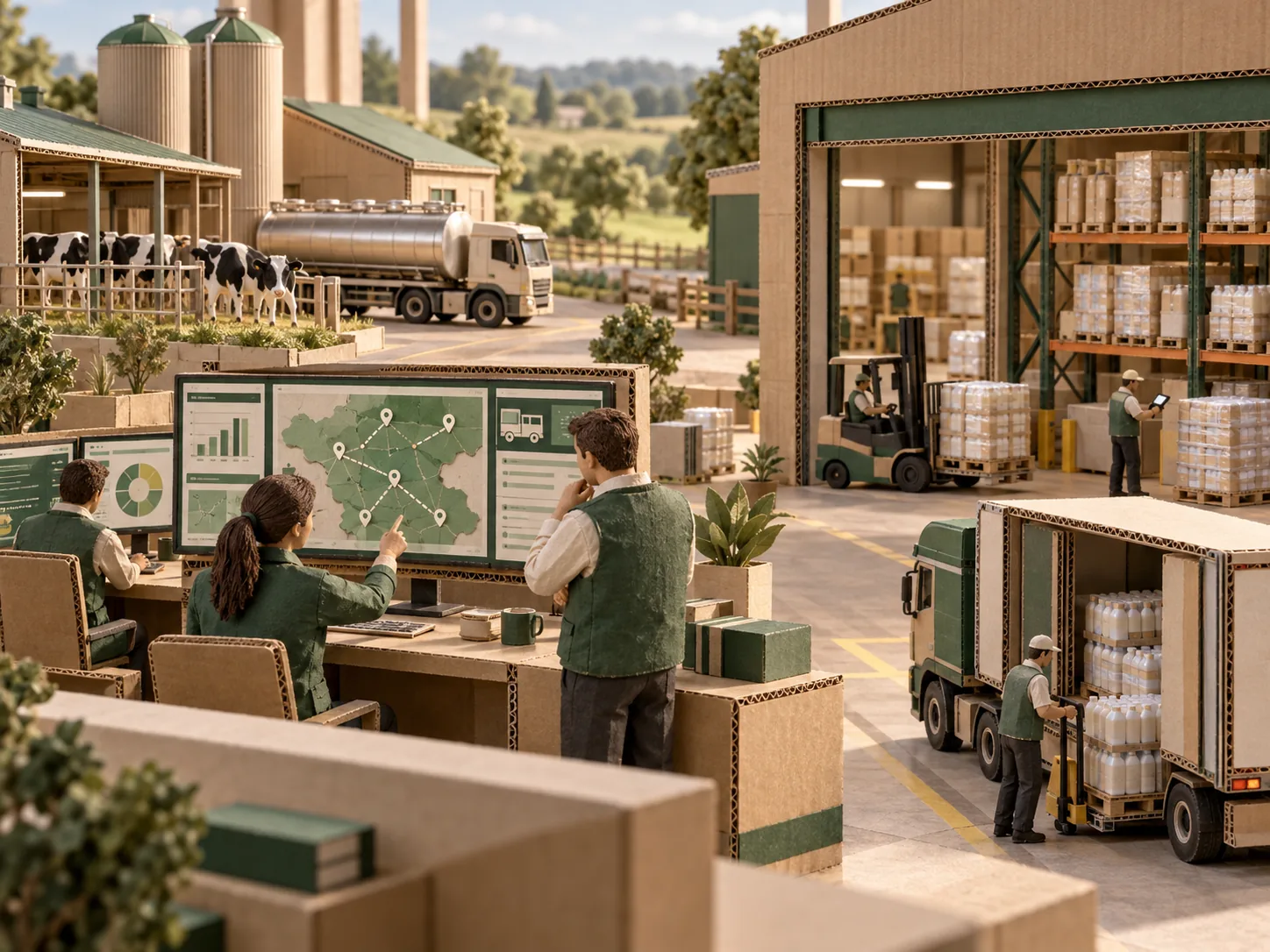
Develop smarter logistics through digitalization, traceability, control-tower visibility, predictive tools and appropriate AI. The service connects warehouse, inventory and transport data to operational decisions so technology improves exception handling, asset utilization and service reliability rather than adding another disconnected logistics system.
GEO Dairy develops the working capability behind this program through a defined baseline, a target operating state, prioritized workstreams and practical adoption. The program addresses how people, methods, information and suitable technology work together in daily operations. Its exact scope and measures are agreed for the client’s business and existing systems.
What this service
helps you develop
Inventory traceability
Control-tower visibility
Predictive tools
Exception handling
Asset use
When you may
need this service
Current logistics results vary across people, shifts or sites.
The business is expanding or modernizing smart logistics capability.
New technology or methods need a dependable operating routine.
Management needs a measurable target state and a way to hold gains after the project.
Development scope
Warehouse and transport data
Define the current practice, the improvement needed and the responsible operating team.
Inventory traceability
Define the current practice, the improvement needed and the responsible operating team.
Control-tower visibility
Define the current practice, the improvement needed and the responsible operating team.
Predictive tools
Define the current practice, the improvement needed and the responsible operating team.
Exception handling
Define the current practice, the improvement needed and the responsible operating team.
Asset use
Define the current practice, the improvement needed and the responsible operating team.
Baseline &
Target State
What happens today
Review the available records, routines, people and systems related to warehouse and transport data and inventory traceability. Establish the constraints and variation that the program must address.
What the capability should support
Agree a practical future way of working for exception handling and asset use, with clear ownership, documented methods and measures appropriate to the business.
Development workstreams
- 01
Warehouse and transport data
Plan, test and embed the changes relevant to this part of smart logistics development.
- 02
Inventory traceability
Plan, test and embed the changes relevant to this part of smart logistics development.
- 03
Control-tower visibility
Plan, test and embed the changes relevant to this part of smart logistics development.
- 04
Predictive tools
Plan, test and embed the changes relevant to this part of smart logistics development.
- 05
Exception handling
Plan, test and embed the changes relevant to this part of smart logistics development.
- 06
Asset use
Plan, test and embed the changes relevant to this part of smart logistics development.
Methods, Pilots &
Capability Building
Methods depend on the approved scope: baseline review, specialist assessment, a controlled trial where useful, coaching for responsible staff, documentation and measured adoption. Any technology is evaluated against its role in smart logistics development rather than added for its own sake.
Validated changes are rolled into regular work, with owners and review routines agreed before handover.
Measures of Progress
Channel performance, product availability, fulfillment reliability, customer outcomes and commercial economics. Baseline definitions and numeric targets are set in the controlled project plan; this page makes no guaranteed performance claim.
Development outputs
& deliverables
Smart Logistics Development
- Baseline and target-state brief
- Prioritized development roadmap
- Smart Logistics Development workstream plan
- Pilot or trial findings where applicable
- Staff guidance, training and operating standards
- KPI definitions, review routine and scale-up recommendations
What we need
from you
- A named business owner with authority to support change.
- Current records and access to the relevant people, processes and assets.
- Time and resources for a controlled pilot or adoption work where needed.
- A clear objective and agreement on how progress will be reviewed.
Boundaries &
Interfaces
Advisory
Defines what should change and why.
Engineering
Designs technical solutions when the program needs new systems.
Implementation
Puts approved physical or digital solutions into working operation.
Operations
Runs the recurring service after the development gain is adopted.
Supply
Provides approved inputs, equipment or specialist resources.
DevelopmentSmart Logistics Development
Dairy Grid: Where This Development Service Is Used
Grid level · Business / unit
- A Family Farm — not used
- B Village Center — not used
- C Municipality Center — not used
- D Province Hub — used
- Regional Cold-Chain & Distribution Hub
- E Country-HQ — not used
Role in the Grid
Smart Logistics Development develops capability for Regional Cold-Chain & Distribution Hub through Warehouse and transport data and Inventory traceability.
Network value
Measured cold-chain and logistics improvement strengthens product condition and delivery reliability.
Embedded delivery. Within Dairy Grid, this capability is embedded in the relevant Unit/Package or network operating model and is not promoted as a separate add-on to members.
Work with GEO Dairy
on This Service
Commercial strategists, channel specialists, logistics experts, cold-chain providers and data-system partners.
Relevant dairy experience, technical references, training or research capability and project-specific fit are reviewed before participation. Registration does not guarantee assignment.
Submit Your CapabilitiesConnected services
 01Advisory service
Distribution & Cold Chain Assessment
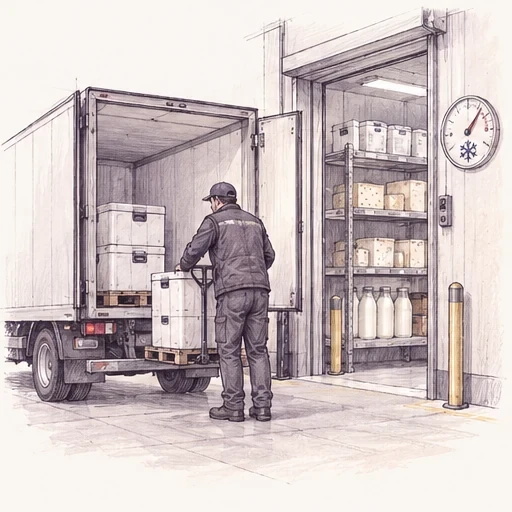
Assess storage, inventory, routes, refrigerated transport and temperature-control performance across the downstream network.
View service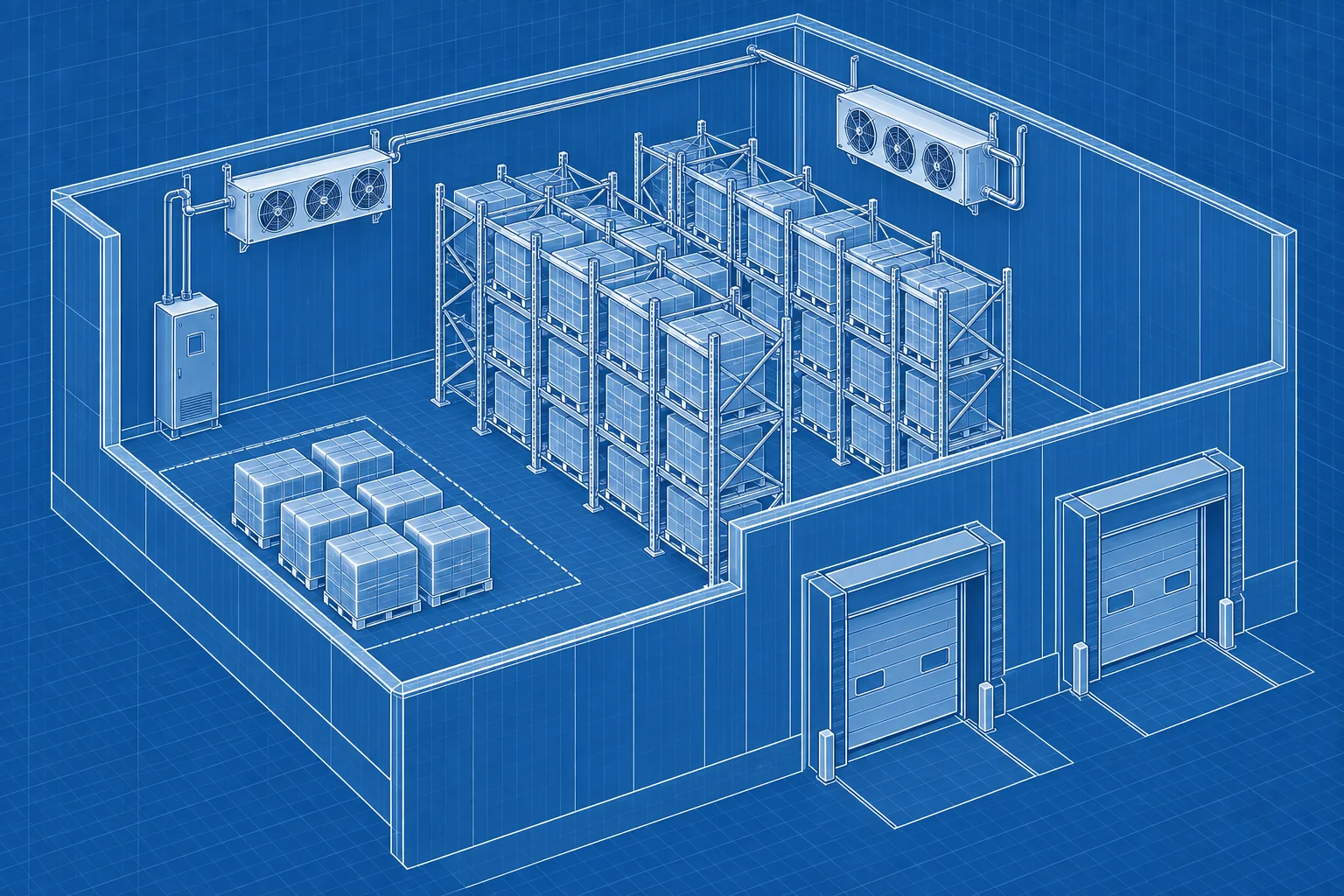 02Engineering service
Cold Storage Logistics Design
Design chilled and frozen storage as an operating logistics system, combining storage capacity with refrigeration, air distribution, temperature monitoring and FEFO requirements. The service is focused on protecting product condition while maintaining efficient inventory movement.
View service 03Implementation service
Refrigerated Transport Implementation
Deploy a working refrigerated-transport system using reefer vehicles, refrigeration units, temperature monitoring and telemetry. Vehicle and refrigeration setup, monitoring configuration, data visibility and operating readiness are coordinated so controlled dairy distribution can begin with defined temperature and traceability practices.
View service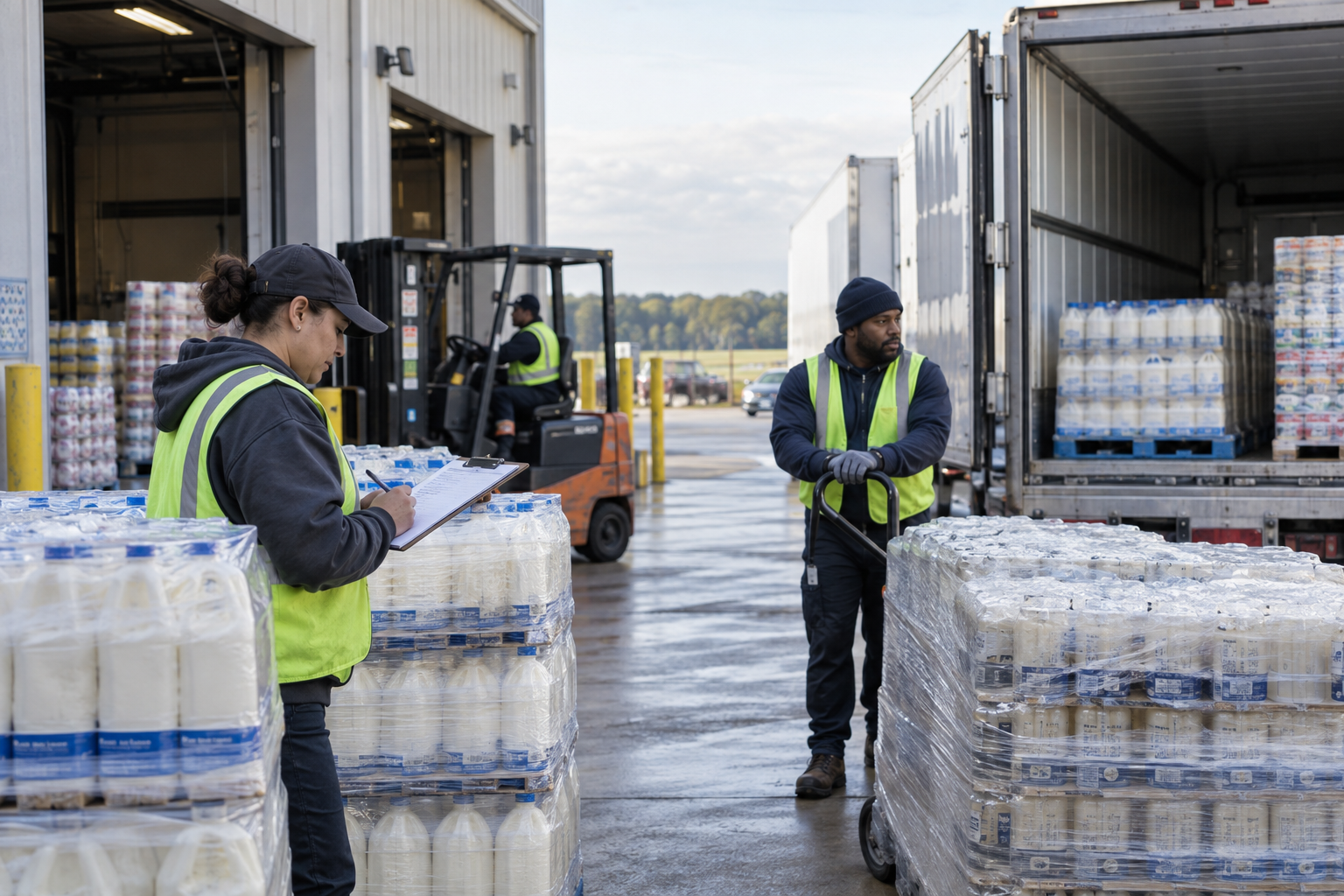 04Operations service
Managed Dairy Logistics
Operate the complete physical logistics system across warehousing, inventory, cold storage, material handling, fleet, refrigerated transport, international movement, reverse logistics and logistics technology. The service gives finished dairy products one accountable custody-and-movement framework from storage through distribution and return flows.
View service