
Duty & throughput
Average and peak demand, operating hours, batch pattern or route profile.
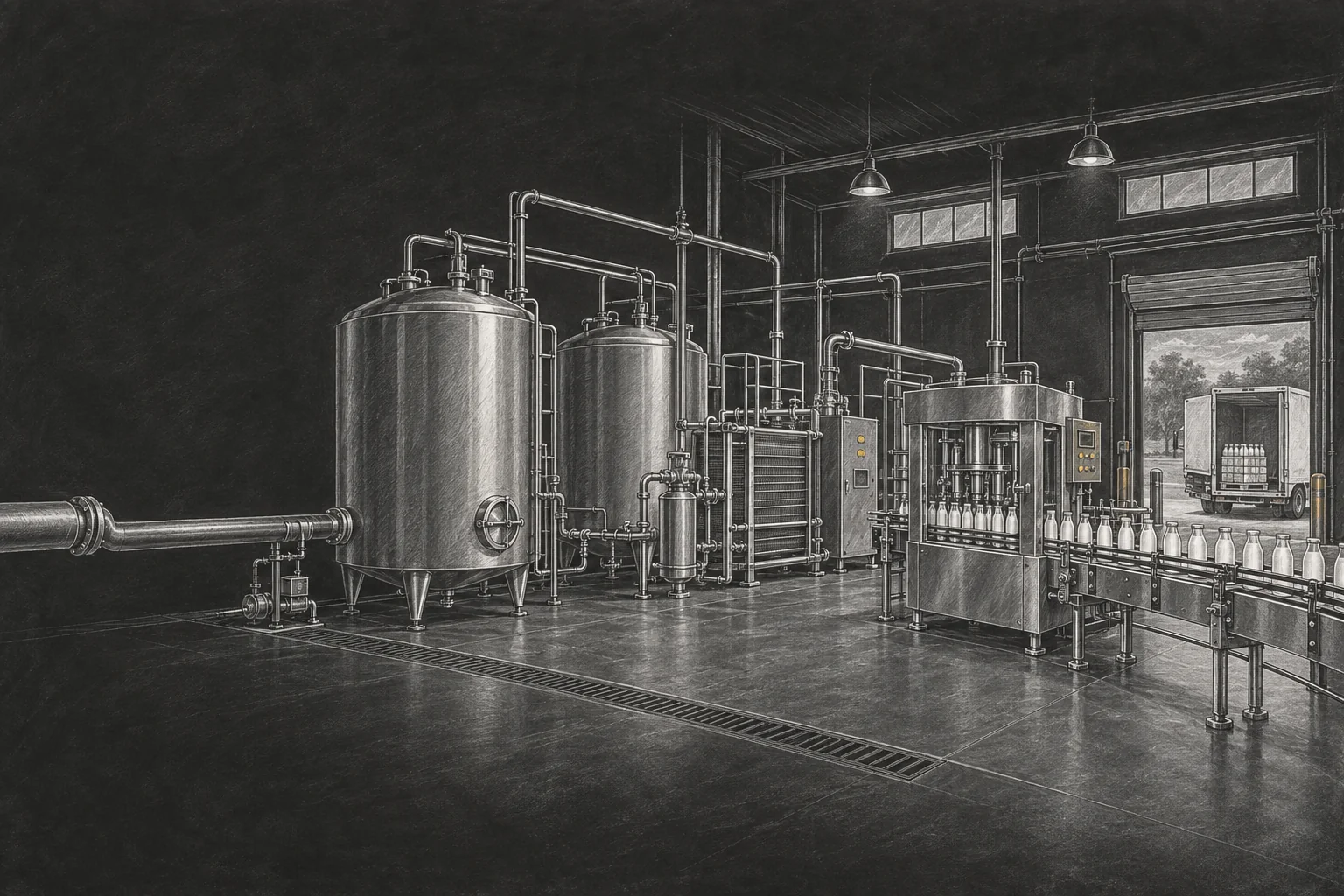
Source the machinery and technology that make dairy businesses work.
From farm milking and feed systems to dairy processing lines, quality laboratories, refrigeration and finished-product delivery, GEO Dairy helps buyers identify and source Equipment offerings from one connected portfolio. Equipment is configured to approved duties and supplied under project-specific terms.
Find equipment with GEO Dairy NavigatorDescribe the operating task and GEO Dairy Navigator can help narrow the Equipment portfolio.
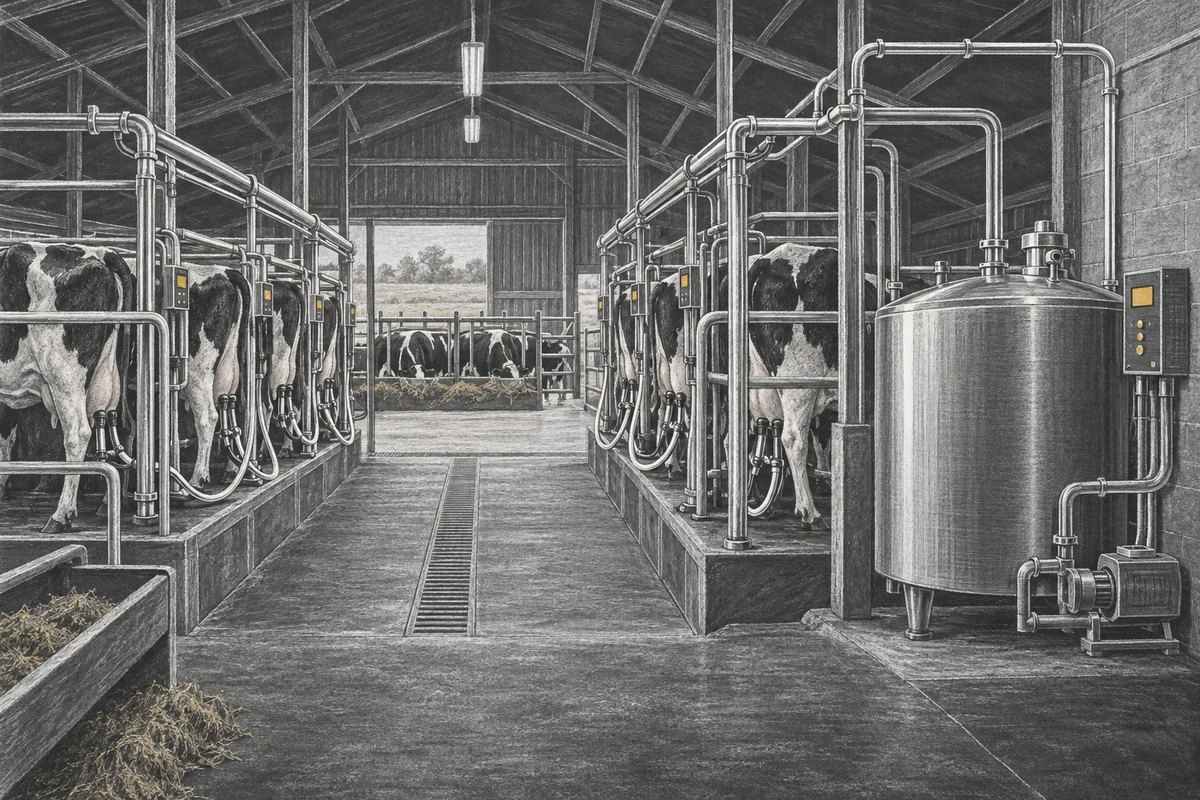
Equip an entire dairy farm with a coordinated operating set drawn from herd, breeding, feeding, milking, utilities and environmental equipment, with farm-management and monitoring technology where selected. The final configuration follows the approved farm design rather than a one-size-fits-all machine list.
View equipment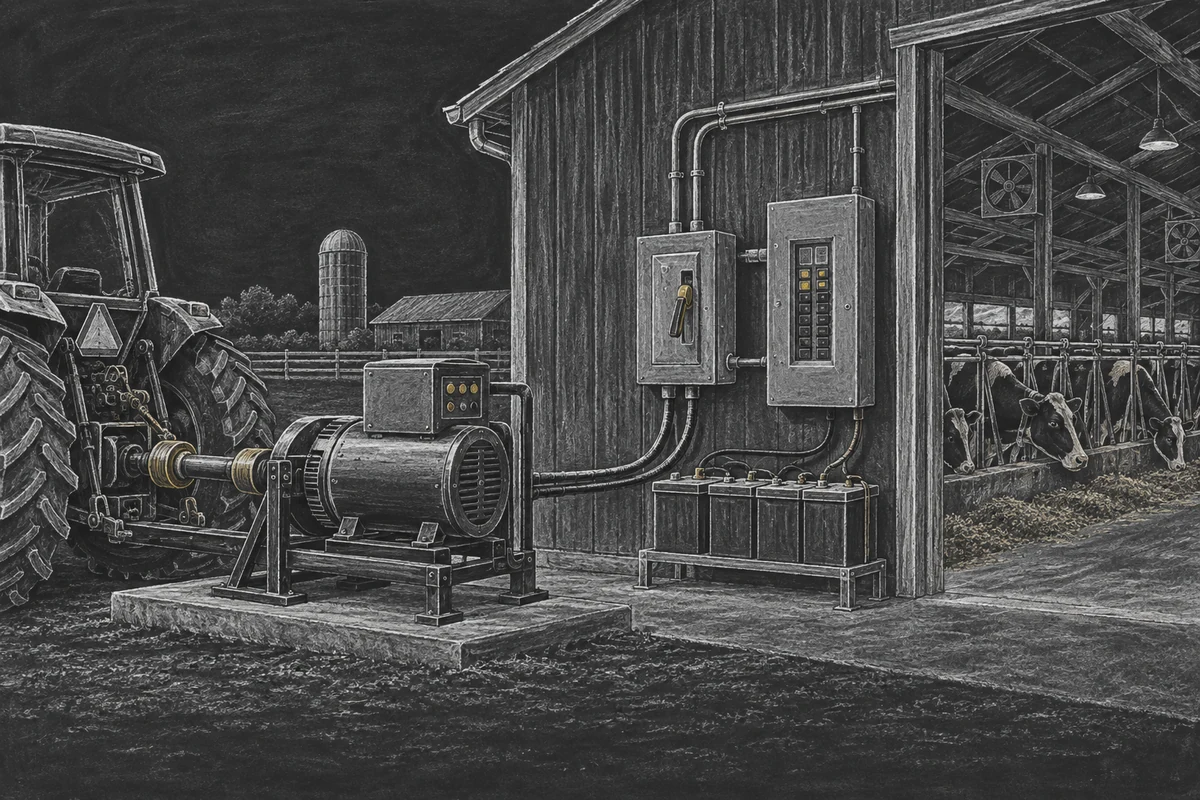
Provide a backup power arrangement that protects selected farm loads during outages, using a standby or PTO generator, transfer equipment and battery storage where specified. The priority-load schedule, starting currents, transfer time and autonomy target govern the configuration.
View equipment
Equip heat-stress management with circulation fans, soakers, optional misting and temperature-humidity monitoring as appropriate to the barn. Fan location, water delivery, ventilation and sensor placement must work together so that cooling is effective without creating wet resting areas.
View equipment
Equip a shared feed center with loading, mixing, conveying, weighing and packing machinery supported by feed-management software. Ingredient flow, batch traceability, recipe accuracy and dispatch capacity are the critical interfaces; vacuum packing is specified separately where the approved configuration requires it.
View equipment
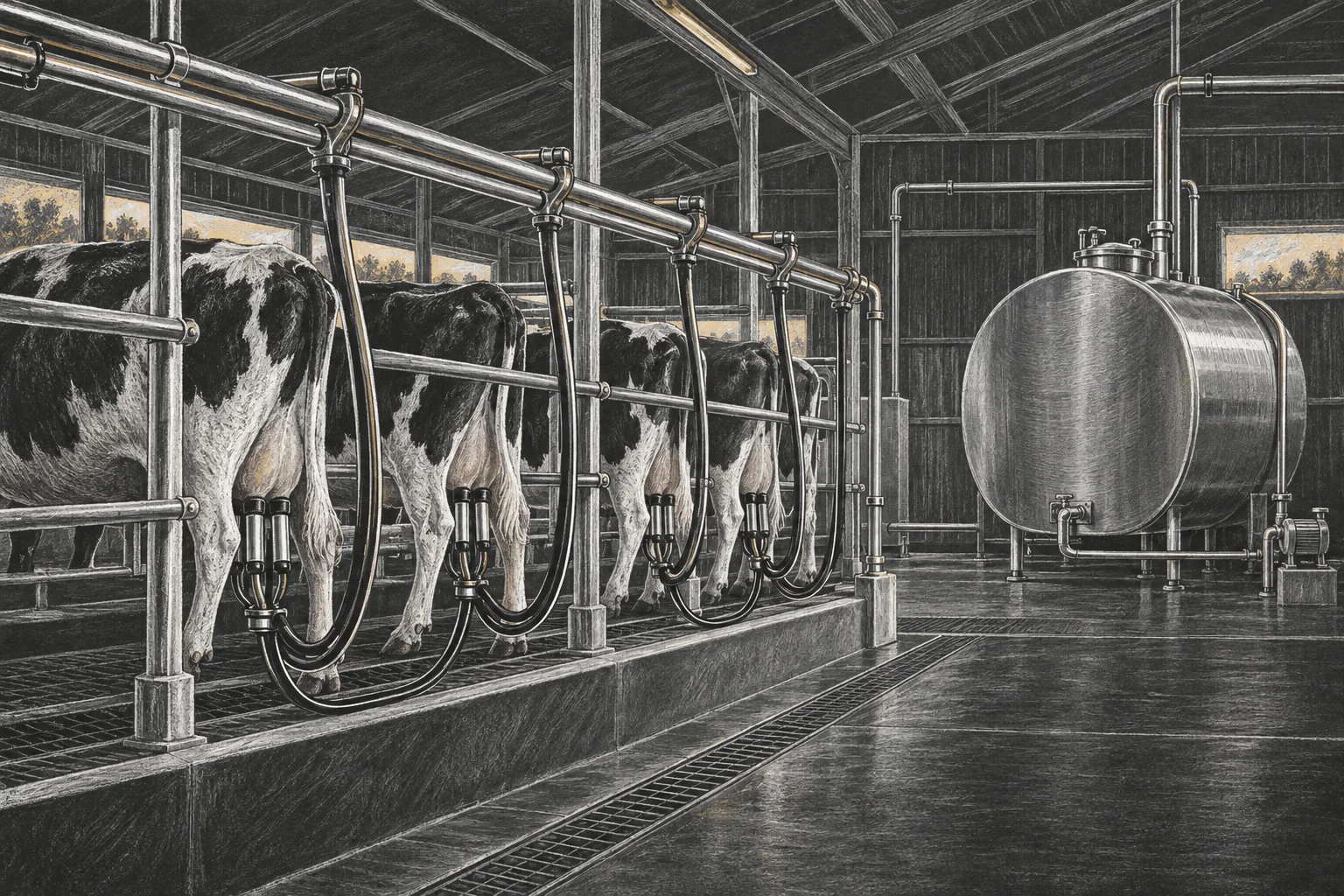
Supply the selected parlour or pipeline milking equipment, clusters, pulsation, vacuum, milk transfer and basic controls for a conventional milking arrangement. Herd throughput, animal flow, milk-contact hygiene and cleaning compatibility determine the final configuration.
View equipment
Provide the farm cooling chain from the milking outlet to safe stored raw milk through a selected plate cooler, bulk cooling tank or silo, refrigeration, agitation, controls and temperature logging. Tank volume and cooling duty must be sized to production and collection frequency.
View equipment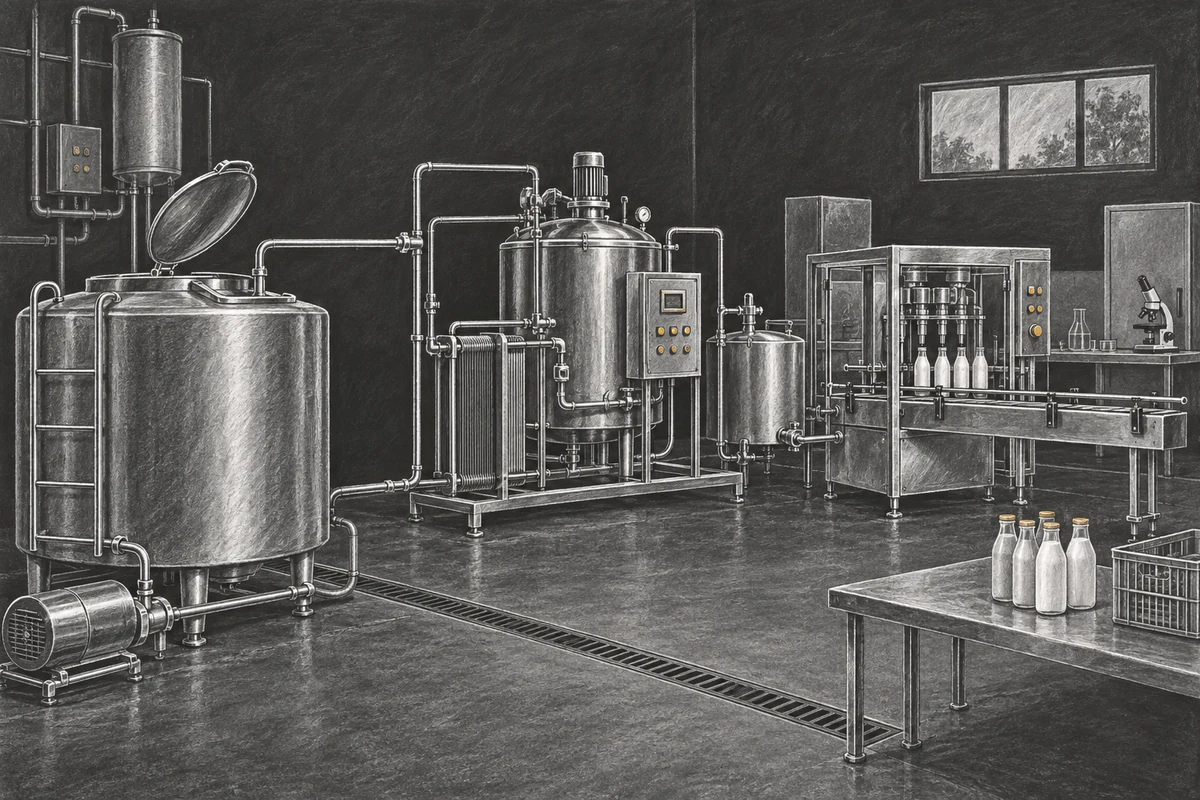
Provide a compact combination of milk reception, processing, packaging, laboratory, CIP, utility and wastewater equipment for a smaller dairy operation. Capacity, product choice and available space determine what is integrated, modular or kept as a separate support system.
View equipment
Provide the process machinery for curd formation and handling, moulding, pressing, brining and maturation-process interfaces as appropriate to the cheese type. The selected vats and downstream machines must align with milk throughput, recipe, moisture target and whey removal.
View equipment
Provide the tanks, pumps, heating, dosing, sensors, PLC/HMI and recovery equipment required for the selected clean-in-place circuits. The package must match circuit hydraulics, soil load, cleaning chemistry, verification requirements and the processing plant’s available utilities.
View equipment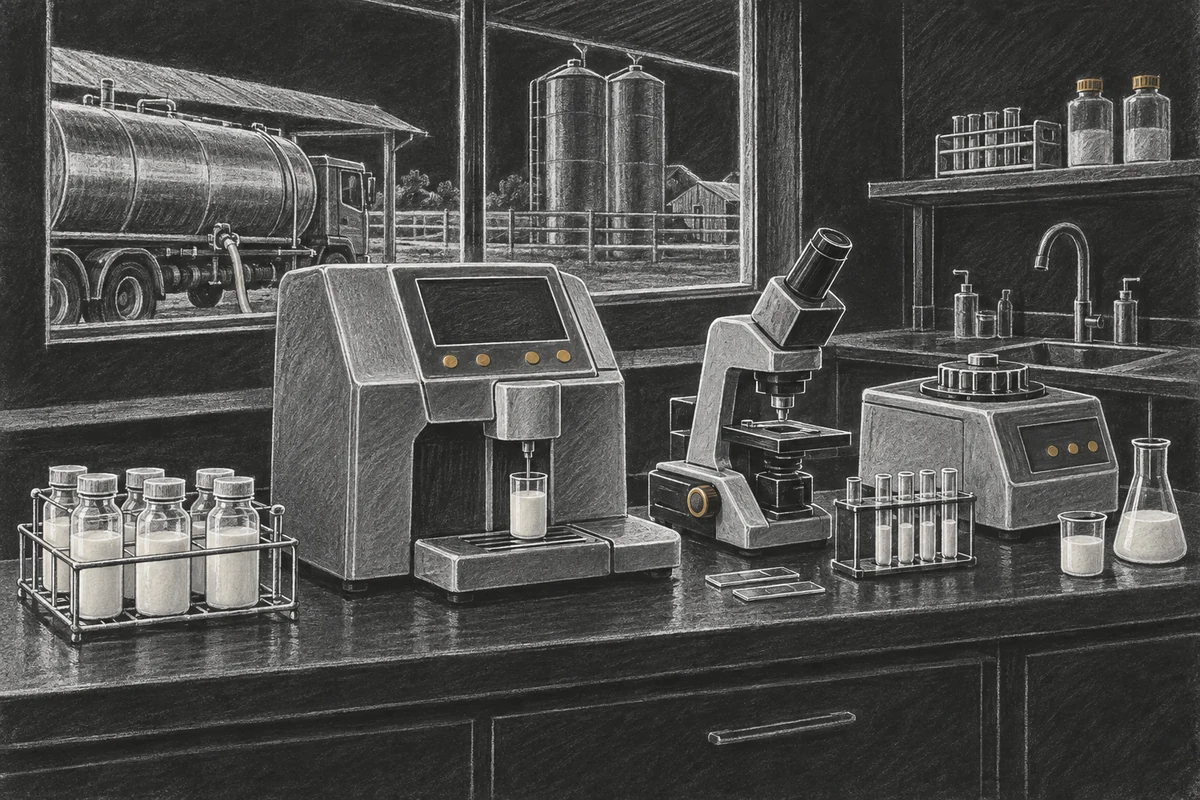
Equip raw-milk intake or quality laboratories with selected composition, freezing-point, somatic-cell, bacterial, residue and acidity measurement tools. Required tests, sample throughput, method suitability and calibration support determine which instruments belong in the final set.
View equipment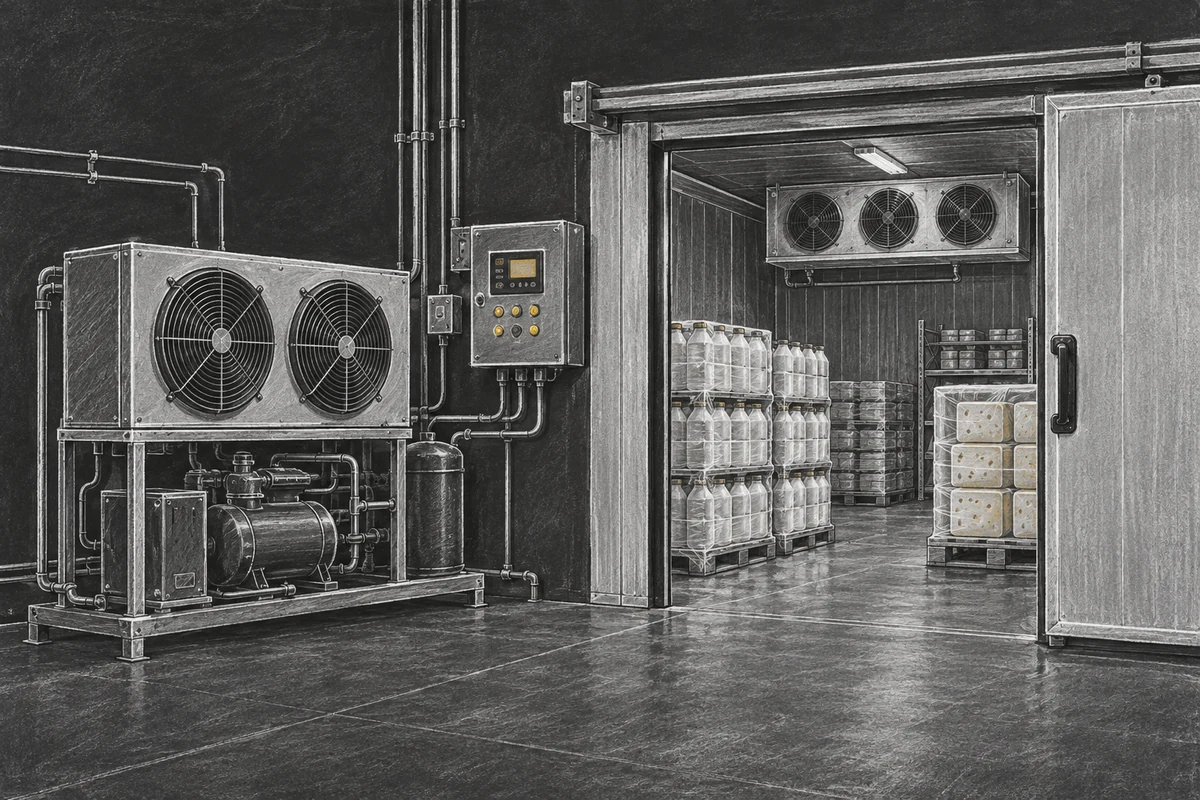
Provide refrigeration machinery, sensors, recorders, controls and alarms for finished-dairy cold rooms or warehouses. The package is selected against temperature zones, product loads, door traffic, defrost strategy and the required monitoring response.
View equipment
Supply a refrigerated vehicle together with its reefer unit, temperature recording, GPS and suitable load-restraint equipment. Body size, payload, multi-drop profile and temperature conditions are determined by the planned distribution route and product mix.
View equipmentShowing all 48 offerings
Equip an entire dairy farm with a coordinated operating set drawn from herd, breeding, feeding, milking, utilities and environmental equipment, with farm-management and monitoring technology where selected. The final configuration follows the approved farm design rather than a one-size-fits-all machine list.
View equipment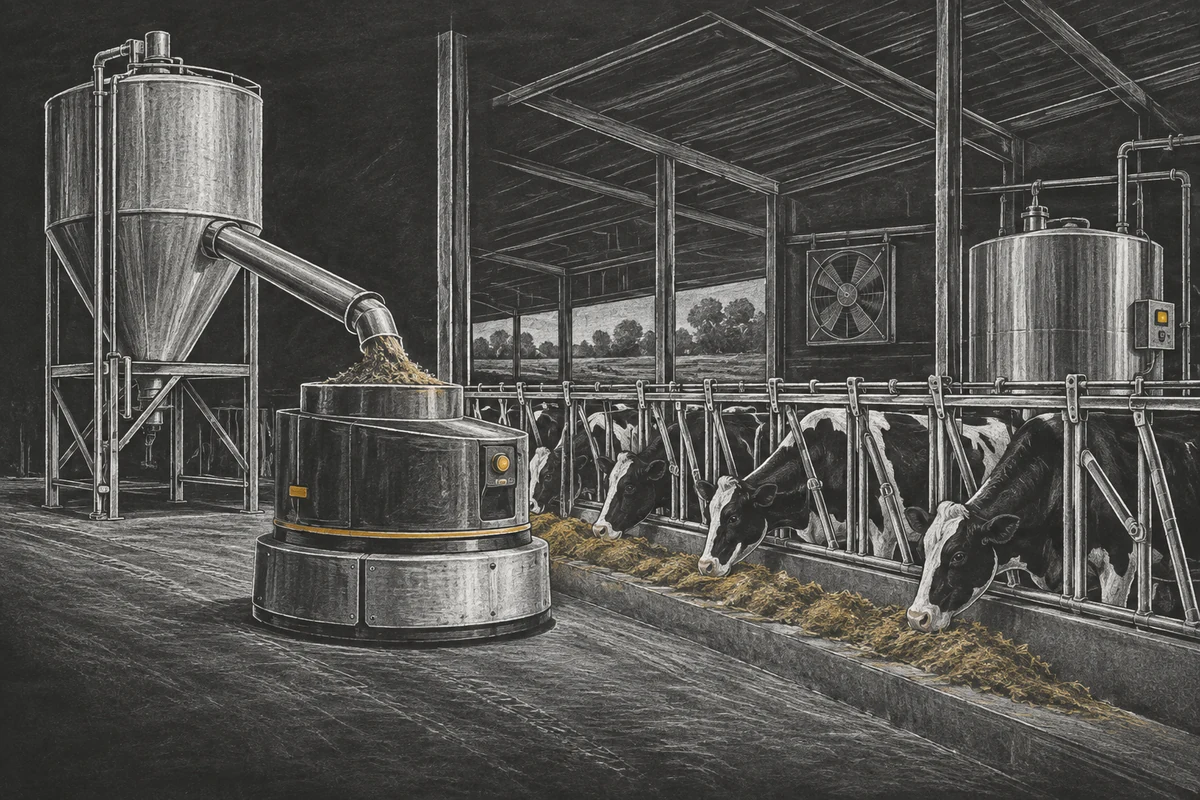
Replace or upgrade the equipment that limits an existing dairy farm, choosing compatible improvements across the affected farm systems. This offering is intended for phased modernization, so the scope starts with the installed asset base, available utilities and the operating constraints of a working farm.
View equipment
Bring together automated feeding, milking, herd-management, climate, manure and monitoring equipment in a coordinated farm configuration. The automation level is determined by herd size, work routines, labor availability, data interfaces and the ability to maintain the selected systems.
View equipment
Source a coordinated equipment set for milk reception, processing, packaging, quality, hygiene, utilities and environmental functions. A plant-wide equipment package must align process throughput with raw-milk intake, product mix, cleaning schedules, utilities and the chosen level of automation.
View equipmentProvide a compact combination of milk reception, processing, packaging, laboratory, CIP, utility and wastewater equipment for a smaller dairy operation. Capacity, product choice and available space determine what is integrated, modular or kept as a separate support system.
View equipment
Equip cheese production and its supporting operations, including cheese manufacture, whey handling, packaging, quality control, CIP, utilities and wastewater equipment. The selected machines must reflect cheese families, batch sizes, curd and brining methods, maturation needs and the actual whey-handling plan.
View equipment
Combine shared milk reception and core processing assets with the additional product lines, packaging formats and support equipment needed for a mixed dairy portfolio. This package focuses on avoiding conflicts among product changeovers, cleaning cycles, shared utilities and line-specific throughput.
View equipment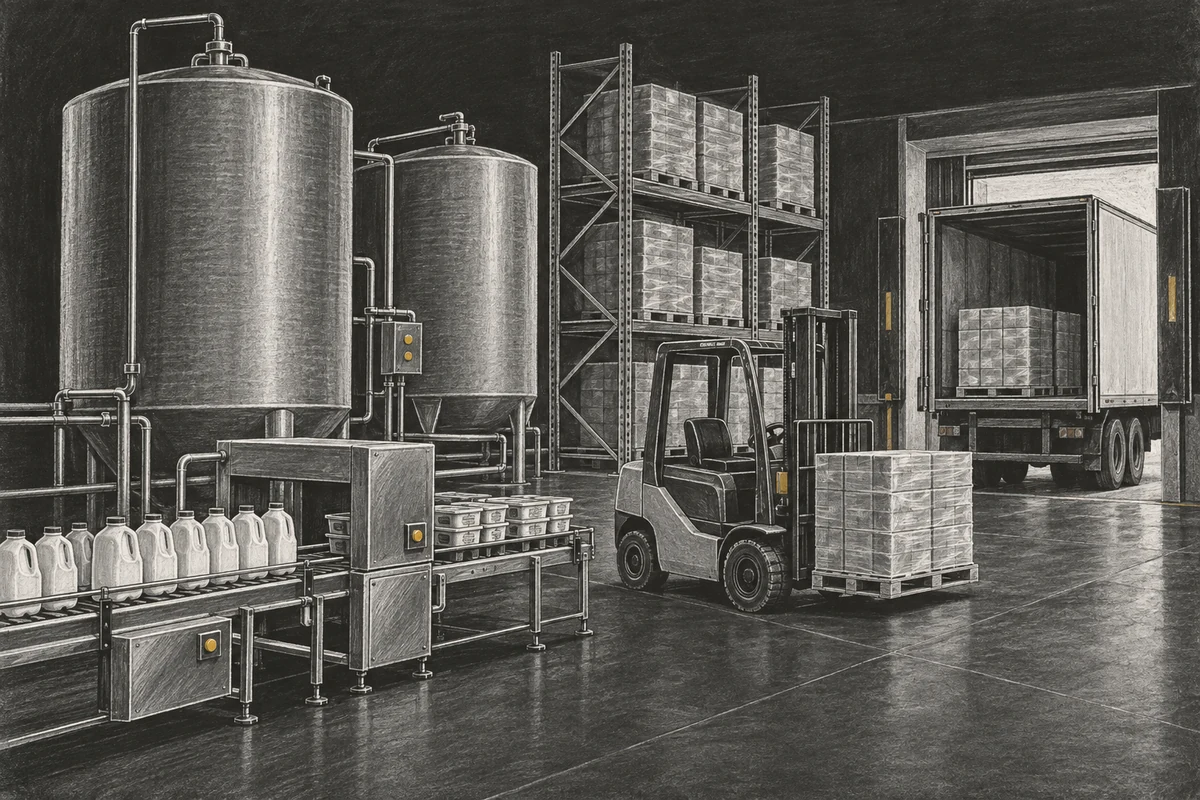
Bring together selected equipment and software for finished-product storage, channel access, logistics and customer-order fulfillment. The scope can connect warehouse handling, retail interfaces and order technology, while ensuring that physical product custody and transactional order control remain distinct.
View equipment

Supply the pumping, pressure and measurement equipment that moves water reliably from an approved source or storage point to farm demand. Depending on the design, the package combines well or booster pumps, variable-speed controls, a pressure tank and metering for peak-use periods.
View equipment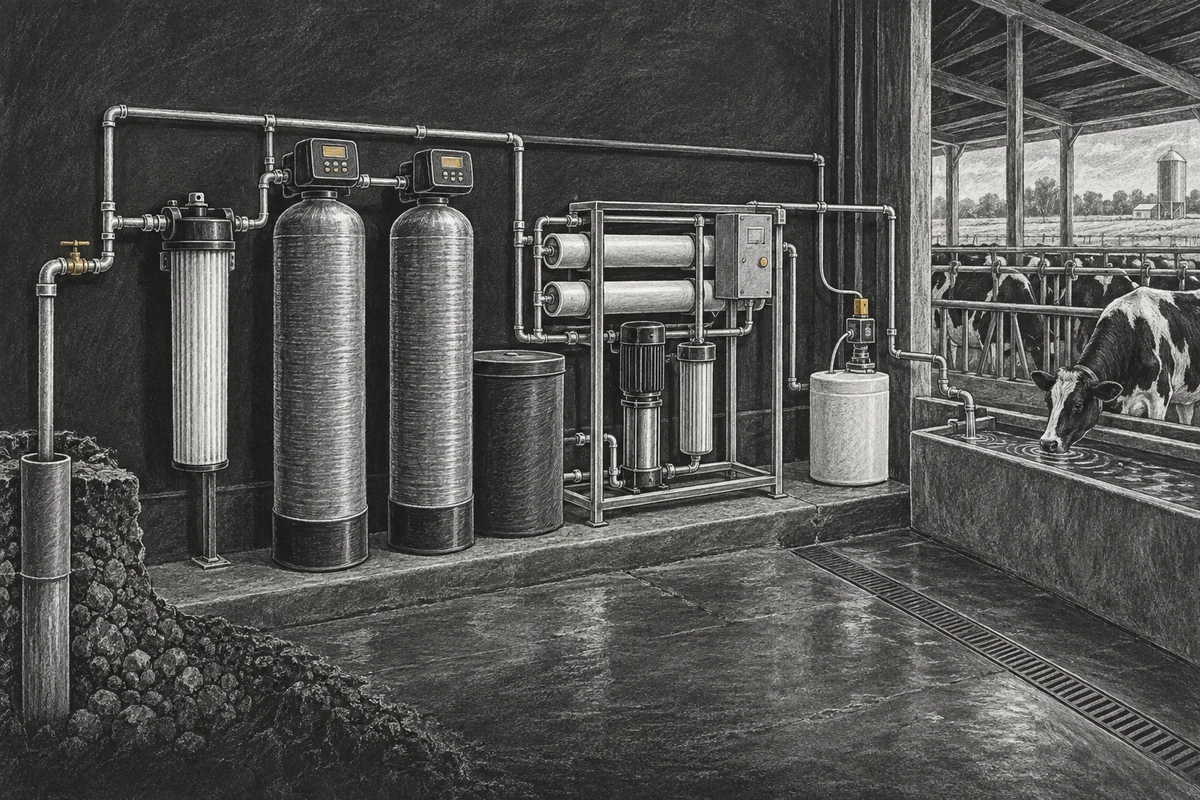
Configure farm water-treatment machinery around the actual source-water analysis and the intended use, such as drinking, cleaning or process water. Filtration, UV disinfection, softening, reverse osmosis and dosing are selected only where the water-quality target requires them.
View equipmentProvide a backup power arrangement that protects selected farm loads during outages, using a standby or PTO generator, transfer equipment and battery storage where specified. The priority-load schedule, starting currents, transfer time and autonomy target govern the configuration.
View equipmentEquip heat-stress management with circulation fans, soakers, optional misting and temperature-humidity monitoring as appropriate to the barn. Fan location, water delivery, ventilation and sensor placement must work together so that cooling is effective without creating wet resting areas.
View equipment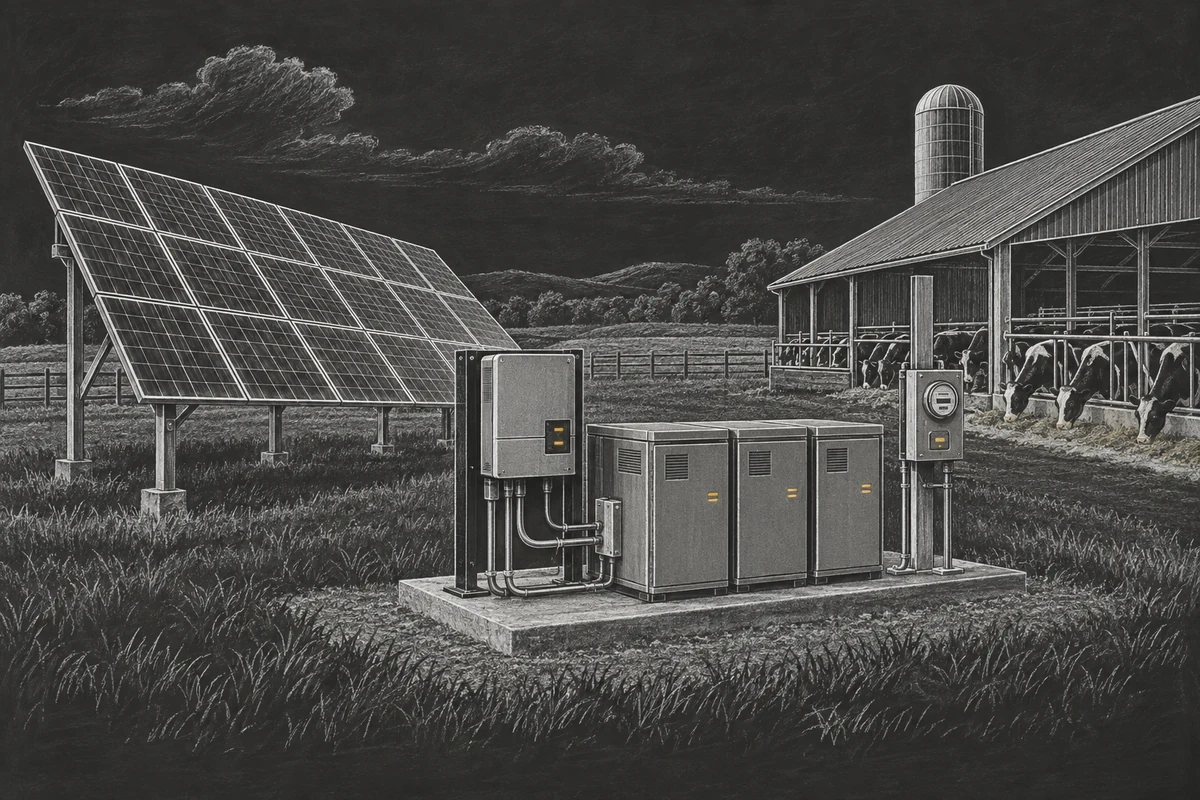
Supply solar PV, battery storage and utility monitoring as a coordinated farm energy equipment set. PV capacity, inverter arrangement, battery autonomy and grid interaction must follow the approved load profile and the farm’s chosen energy-resilience objective.
View equipment
Provide mechanical manure removal and transfer equipment suited to the barn floor and the planned manure-storage route. Tractor or automatic scrapers, pumps, agitation/transfer units and level monitoring are selected according to solids content, travel distance and operating frequency.
View equipment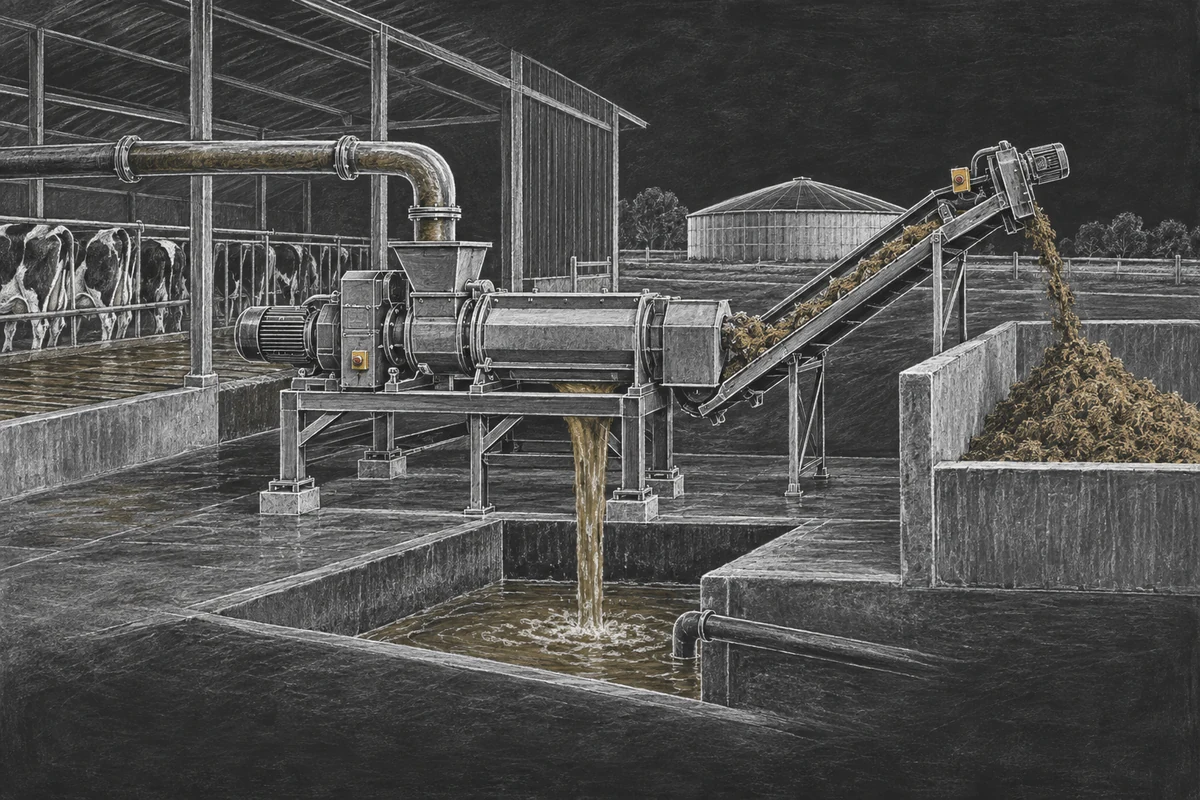
Equip a farm or shared waste-handling site to separate the liquid and solids fractions of collected manure. A screw press, screen or other selected separator is matched with the necessary feed and solids-handling equipment; sand separation is included only where bedding and process requirements justify it.
View equipment
Provide the machinery and controls required for plant refrigeration, including selected compressors or chillers, condensers, chilled-water or glycol equipment, thermal storage and leak monitoring. The configuration must match the processing, cooling, storage and cleaning load profile rather than equipment nameplate capacity alone.
View equipment

Equip safe, repeatable cattle handling with an appropriately sized chute, head gate, portable panels and gates. The selected arrangement must fit animal flow, veterinary access, weighing or treatment interfaces and operator safety without assuming a full fixed handling facility is included.
View equipment
Connect animal identification and location data with herd-management software, counters and selected welfare-monitoring equipment. The emphasis is on reliable animal-to-record linkage, actionable alerts and compatibility with the farm’s actual routines rather than installing sensors without a management workflow.
View equipment
Provide the instruments used for a controlled artificial-insemination procedure, such as the AI gun, semen thaw unit, straw cutter, forceps and portable kit. The equipment selection follows the semen format, handling protocol and trained operator’s requirements; semen itself is a separate biological Input.
View equipment
Equip safe cryogenic semen storage and transfer with a liquid-nitrogen tank, transfer vessel, level monitoring, alarm and inventory scanning where selected. Tank capacity, nitrogen supply, alarm response and record discipline must fit the breeding program and operating site.
View equipment
Use activity collars or ear sensors, pedometers and breeding-data integration to support timely heat detection in the herd. Sensor coverage, communications, alert thresholds and the insemination workflow should be defined together so detection data can be acted upon.
View equipment
Equip veterinary examination work with a stethoscope, digital thermometer, examination light and portable diagnostic ultrasound where the clinical scope requires it. The configuration is suited to the intended mobile or fixed practice and does not substitute for qualified veterinary personnel.
View equipment
Bring together on-farm or laboratory tools for udder-health investigation, including CMT testing, somatic-cell measurement, culture incubation and associated laboratory equipment as selected. The package is configured to match the testing pathway, sample volume and required turnaround.
View equipment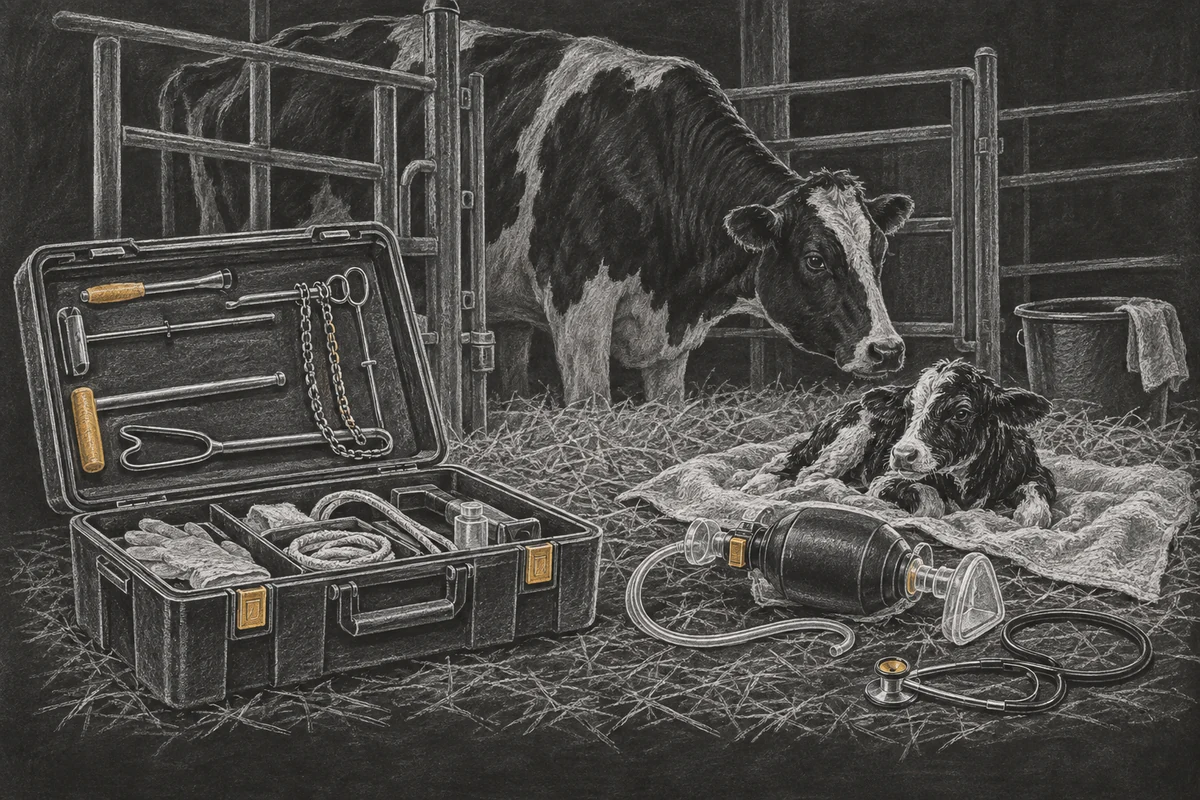
Equip an authorized calving team for obstetric intervention and calf emergency response using an obstetric kit, selected calving-assistance tools, a calf resuscitator and examination equipment. Suitability, disinfection, animal welfare and veterinary competence remain essential parts of its use.
View equipment

Equip the harvesting and ensiling workflow with an appropriate forage harvester, wagon, compaction equipment and inoculant application machinery. Field capacity, harvest window, chop length and the chosen silage-storage system determine the practical machine combination.
View equipment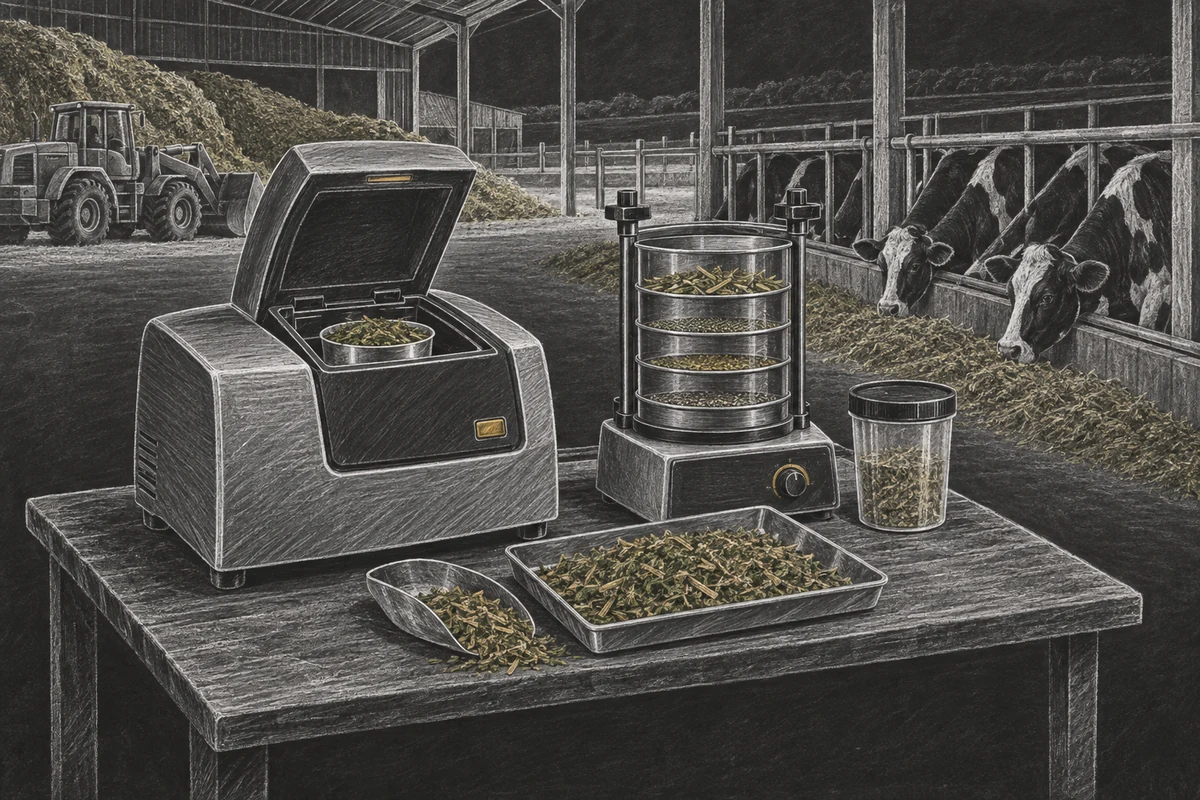
Provide tools for checking forage and feed moisture, composition and physical structure, such as selected NIR analysis, particle separation and sampling equipment. The exact kit depends on whether testing is carried out at a farm, a shared feed center or a laboratory.
View equipment
Equip calf milk and starter feeding with a milk feeder or milk taxi, concentrate feeder, colostrum thawer and suitable utensils. The package should fit calf numbers, feeding frequency, cleaning capacity and the chosen nursery management routine.
View equipment
Combine a stationary TMR mixer, ingredient weighing, feed packing, vacuum packing and loading equipment to produce measured prepared rations. The configuration follows the feed formula, batch size, packaging method and delivery rhythm rather than assuming that every farm needs its own mixer.
View equipmentEquip a shared feed center with loading, mixing, conveying, weighing and packing machinery supported by feed-management software. Ingredient flow, batch traceability, recipe accuracy and dispatch capacity are the critical interfaces; vacuum packing is specified separately where the approved configuration requires it.
View equipmentSupply the selected parlour or pipeline milking equipment, clusters, pulsation, vacuum, milk transfer and basic controls for a conventional milking arrangement. Herd throughput, animal flow, milk-contact hygiene and cleaning compatibility determine the final configuration.
View equipmentProvide the farm cooling chain from the milking outlet to safe stored raw milk through a selected plate cooler, bulk cooling tank or silo, refrigeration, agitation, controls and temperature logging. Tank volume and cooling duty must be sized to production and collection frequency.
View equipment
Equip milk collection with a suitable tanker, hygienic transfer equipment, sampling tools and temperature monitoring. The specification follows collection route volume, transfer points, raw-milk handling rules and the receiving center’s unloading interface.
View equipment
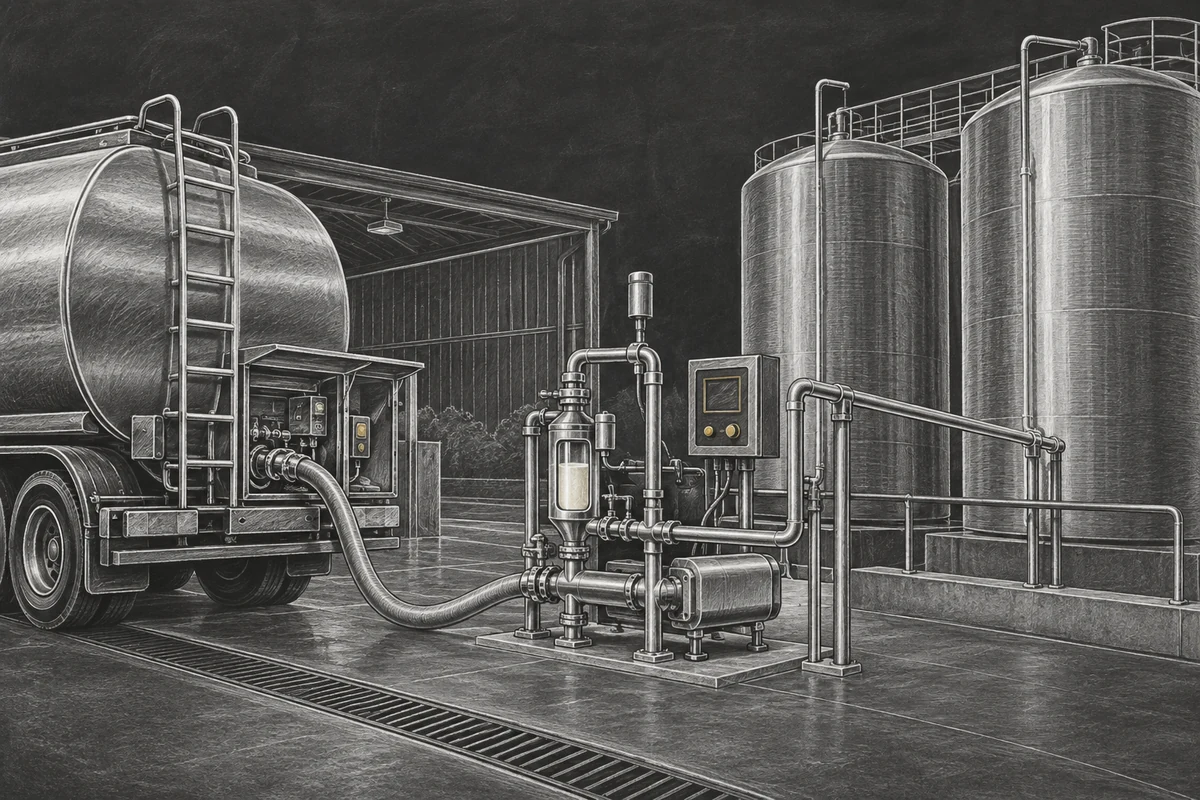
Provide the equipment needed to receive, sample, measure, store and trace incoming raw milk, with reception automation selected for the plant. Tanker turnaround, milk acceptance, segregation and silo allocation determine the final intake configuration.
View equipment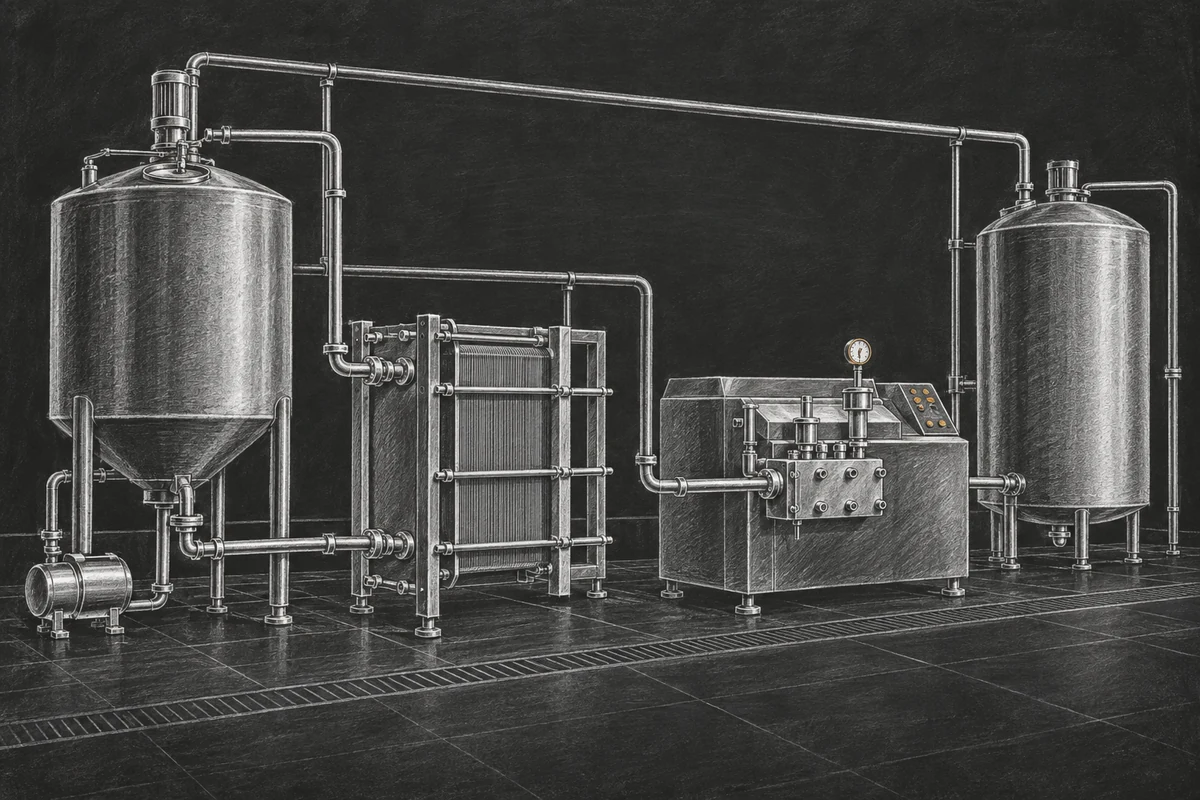
Equip liquid-milk treatment and standardization with the necessary clarification or separation, homogenization, heat treatment and buffer equipment. Pasteurized, ESL and UHT configurations differ materially, so the package must be set by the actual product and shelf-life design.
View equipment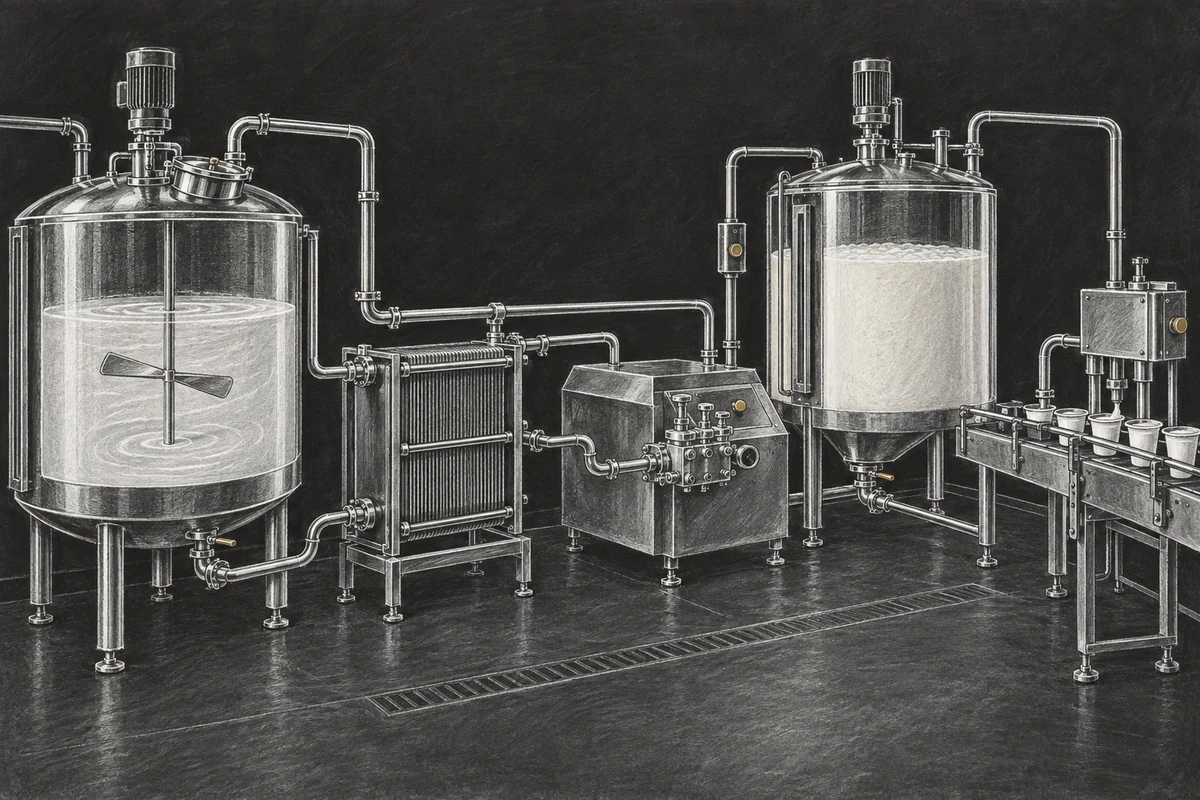
Equip yoghurt and other fermented-dairy production with suitable mixing, heat-treatment, homogenization, fermentation, culture dosing and cooling or concentration machinery. Tank arrangement, fermentation control and downstream filling interfaces depend on the intended product texture and batch strategy.
View equipmentProvide the process machinery for curd formation and handling, moulding, pressing, brining and maturation-process interfaces as appropriate to the cheese type. The selected vats and downstream machines must align with milk throughput, recipe, moisture target and whey removal.
View equipment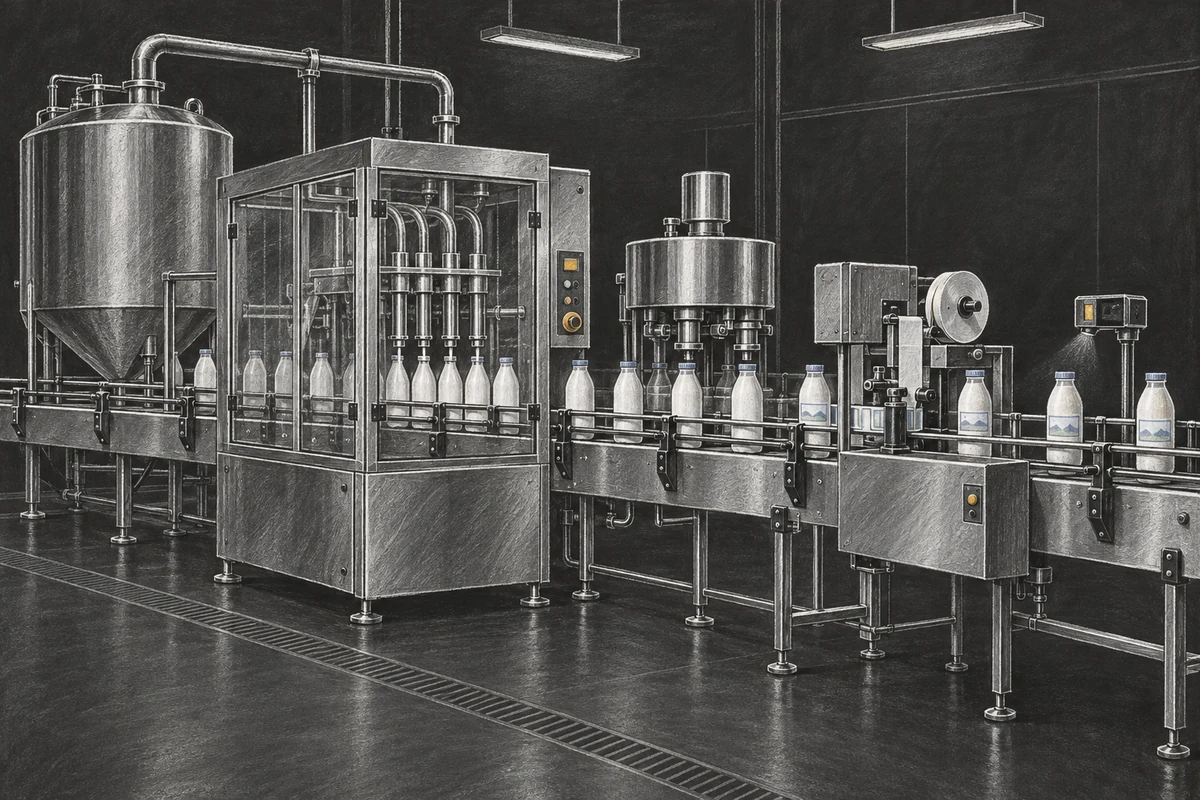
Supply filling, closure, coding, labeling, inspection and conveyor equipment for selected chilled dairy packs. Carton, bottle and cup formats have different handling and hygiene requirements, so packaging equipment is configured around the approved product, pack and line speed.
View equipmentProvide the tanks, pumps, heating, dosing, sensors, PLC/HMI and recovery equipment required for the selected clean-in-place circuits. The package must match circuit hydraulics, soil load, cleaning chemistry, verification requirements and the processing plant’s available utilities.
View equipmentEquip raw-milk intake or quality laboratories with selected composition, freezing-point, somatic-cell, bacterial, residue and acidity measurement tools. Required tests, sample throughput, method suitability and calibration support determine which instruments belong in the final set.
View equipment
Equip the first treatment stage for dairy effluent using screening, fats-oils-grease separation, equalization, neutralization, chemical dosing and dissolved-air flotation as required. The package follows the actual wastewater characterization and the downstream treatment or discharge route.
View equipment
Provide refrigeration machinery, sensors, recorders, controls and alarms for finished-dairy cold rooms or warehouses. The package is selected against temperature zones, product loads, door traffic, defrost strategy and the required monitoring response.
View equipmentSupply a refrigerated vehicle together with its reefer unit, temperature recording, GPS and suitable load-restraint equipment. Body size, payload, multi-drop profile and temperature conditions are determined by the planned distribution route and product mix.
View equipment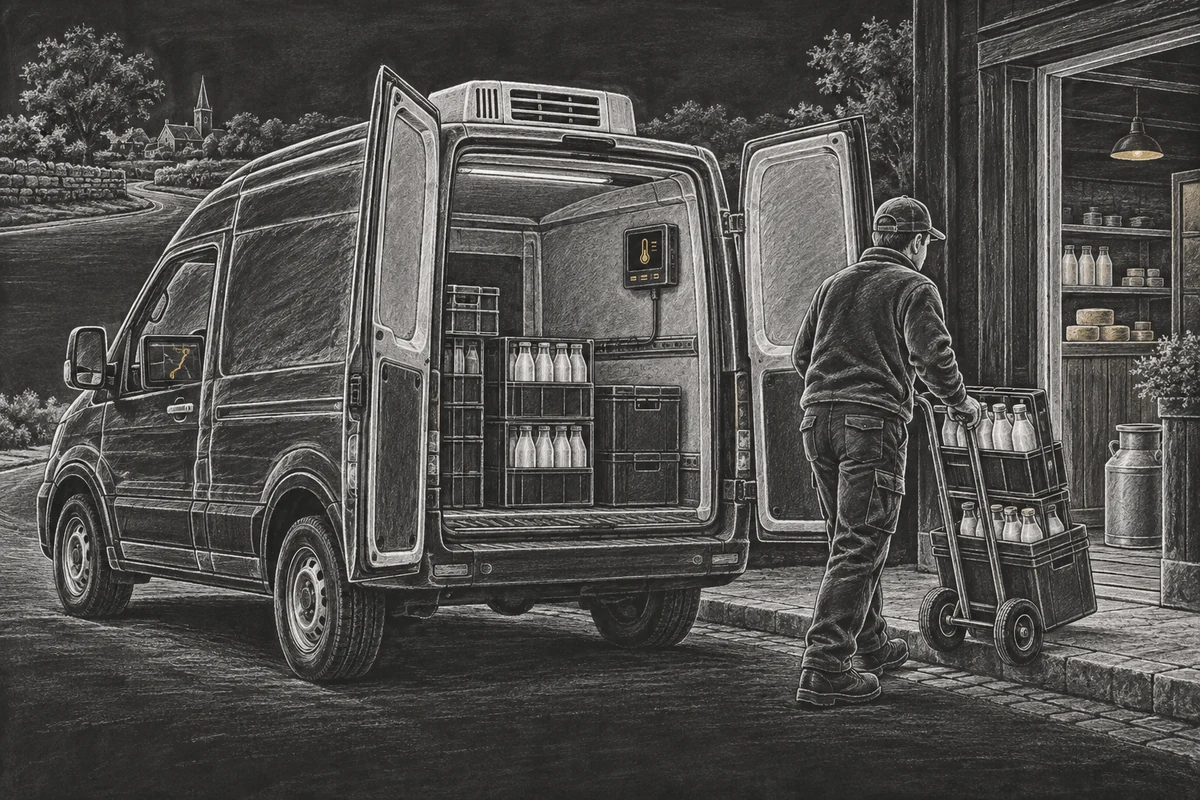
Equip chilled last-mile distribution with a refrigerated van, temperature monitoring, telematics and delivery-handling equipment. The configuration is built around stop density, route duration, door openings and order handoff, rather than simply choosing the smallest refrigerated vehicle.
View equipment
Connect temperature and status data from warehouses, vehicles and individual shipments through sensors, recorders, reefer telemetry and monitoring software. The value is in exception visibility and actionable records across handoffs, not just collecting isolated temperature logs.
View equipment
Equip customer-facing dairy sales areas with selected shelving, end-cap fixtures, refrigerated or frozen displays and temperature-monitoring devices. The retail format, product mix, merchandising plan and replenishment method determine the required display arrangement.
View equipment
Supply the checkout hardware needed for a dairy retail channel: POS terminal, scanner, payment terminal, receipt printer and customer display. Payment integration, barcode formats, available connectivity and the store’s transaction flow determine the final set.
View equipment
Provide the applications for order management, distributed order management, promise, allocation and orchestration where required. The package defines the transactional order layer; physical warehouse and transport execution remain Logistics interfaces rather than functions to be renamed as OMS.
View equipment
Connect a dairy storefront and Commercial technology with OMS and Logistics integrations in a coordinated e-commerce technology set. The package is configured around product availability, delivery geography, order cut-offs, payment/customer flows and the temperature-controlled delivery promise.
View equipmentNo matching equipment
Use GEO Dairy NavigatorAverage and peak demand, operating hours, batch pattern or route profile.
Product-contact requirements, animal welfare and safe operation where applicable.
Space, power, water, thermal loads, controls, data and process handoffs.
Energy, cleaning time, labor, maintenance, downtime and useful life.
Warranty responsibility, technician access and spare-parts lead times.
EquipmentAcross the network
Dairy Grid uses specified equipment across all five levels to perform the production, testing, storage and delivery functions of its businesses. Equipment is matched to the operating duty, capacity and technical interfaces at each level. Common specifications support maintenance, spare parts, operator training and compatible data connections across repeated installations.
About the Dairy Grid architecture| Level | Business / unit | Equipment role |
|---|---|---|
| AFamily Farm | Standard Family Dairy Farm Unit | Milking, cooling, identification and monitoring equipment |
| BVillage Center | Silage Production & Storage Business | Feed mixing, packing, storage and handling equipment |
| CMunicipality Center | Small/Medium Dairy Processing Plant | Milk reception, processing, packaging and quality equipment |
| DProvince Hub | Regional Cold-Chain & Distribution Hub | Refrigerated storage, handling and distribution equipment |
| ECountry-HQ | Dairy Grid Digital Platform | Network monitoring and data-integration equipment where included in the approved platform scope |
Representative equipment roles across the five levels. Specific equipment is supplied only where relevant to the operating business.
Confirm the operating task, duty, site constraints and available Engineering basis.
Define core machines, options and interfaces; route unresolved sizing to Engineering.
Compare supplier information for the approved scope with inclusions and exclusions visible.
Review duties, documentation, origin, warranty, spares, delivery basis and deviations.
Coordinate agreed shipping, receipt, equipment acceptance, manuals, warranty, parts and support contacts.
Exact equipment, options and terms are confirmed in the project quotation and provider documents.
Core machines and operating devices matched to the quoted configuration.
Compatible controls, instruments, software and data interfaces where specified.
OEM documents, technical schedules, utility and installation interfaces.
Selected options, redundancy and expansion interfaces where separately quoted.
Supplier warranty, spare-parts and after-sales terms confirmed for the actual provider.
Linked Engineering, Implementation, Operations or Finance only by separate agreed scope.
Prepare the target capacity or herd, product or route model; available drawings and utility data; operating hours; existing-machine interfaces; hygiene and safety requirements; project location; preferred delivery window; and budget framework.
GEO Dairy is building a qualified network of equipment manufacturers, authorized distributors, dealers, system integrators and aftermarket providers serving dairy farms, processing facilities, laboratories and cold-chain operations.
Share your equipment categories, technical specifications, authorization status, reference installations, warranty and spare-parts arrangements, service coverage and delivery regions so your portfolio can be considered for relevant projects.
Partner participation is subject to technical, commercial and project-specific qualification. Registration does not guarantee listing, exclusivity or a purchase order.Fixed facilities, utilities and systems that support dairy businesses.
02Feed, ingredients, packaging and other replenished materials.
03Capital, credit, leasing and risk cover for dairy investments and operations.
04Qualified people and teams for building and operating dairy businesses.