
Midstream Dairy Industry
Where raw milk becomes a safe, consistent and marketable dairy product.
Midstream connects dairy farming with the consumer market. It begins when raw milk enters the external collection and reception system and continues through testing, storage, processing, formulation, packaging, quality control and hygienic production until a finished dairy product is ready for commercial distribution.
GEO Dairy defines Midstream through eight technical domains plus an Integrated domain connecting the complete processing system.
 M02 UtilitiesUtilities room: steam, chilled water, power and air feed every stage.M08 EnvironmentWastewater and resource flows leave from the same plant.
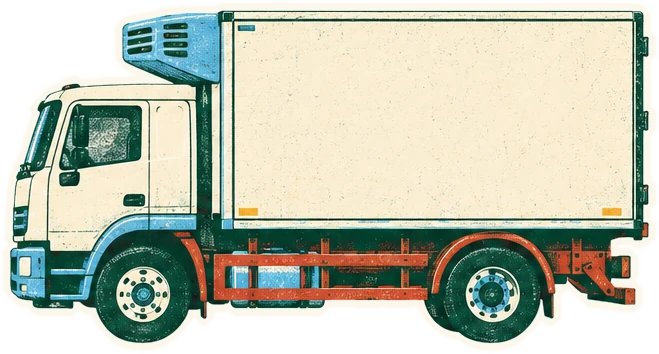
Milk collectionChilled farm milk reaches the plant by tanker.

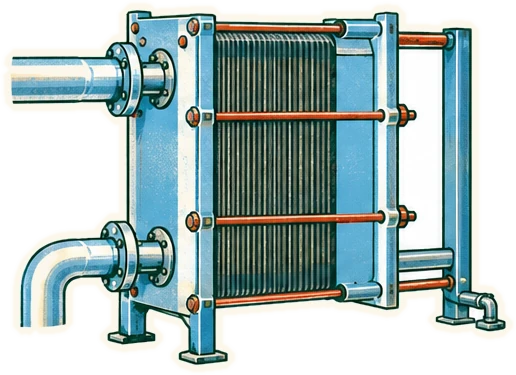
The Dairy Manufacturing Stage
Midstream is the part of the dairy value chain that receives raw milk and converts it into products suitable for storage, distribution, sale and consumption.
It includes both the physical transformation of milk and the technical systems required to make that transformation safe, repeatable and economically viable.
The Transfer From Farm Production to Milk Processing
For GEO Dairy, Midstream begins when raw milk leaves the farm-controlled Upstream system and enters the external milk collection and reception chain serving processing. This can include:
Farm-controlled UpstreamProcessing line
- 01Milk collection
- 02Raw-milk tanker systems
- 03Collection centers
- 04Tanker reception
- 05Sampling
- 06Reception testing
- 07Weighing or volume measurement
- 08Unloading
- 09Filtration where applicable
- 10Raw-milk cooling
- 11Processor-side raw-milk storage
The Midstream journey begins before the milk reaches the processing machine: it begins with controlled reception of the raw material.

The Finished Product Boundary
Midstream ends when the dairy product has been processed, packed, quality-released and is ready to enter commercial distribution.
Midstream includes
- Raw-milk reception
- Processing
- Packaging
- Production quality assurance
- Plant-side finished-product preparation
Downstream begins when the released product enters
- Commercial warehousing
- Distribution
- Customer-order fulfillment
- Wholesale
- Retail
- Foodservice
- Market delivery
Midstream creates the finished dairy product. Downstream creates market availability and commercial movement. A small plant-side buffer store may remain part of the production operation, but commercial finished-goods logistics belong to Downstream.

A Factory Does More Than Heat Milk
A dairy plant converts a variable biological raw material into products that must meet consistent commercial, food-safety and quality specifications. That requires the plant to control twelve things at once. Press any dial to disturb it and watch the plant bring it back.
A modern dairy factory is therefore simultaneously a
- Food process +
- Thermal +
- Microbiological +
- Utility +
- Quality +
- Logistics interface
system, all at the same time.

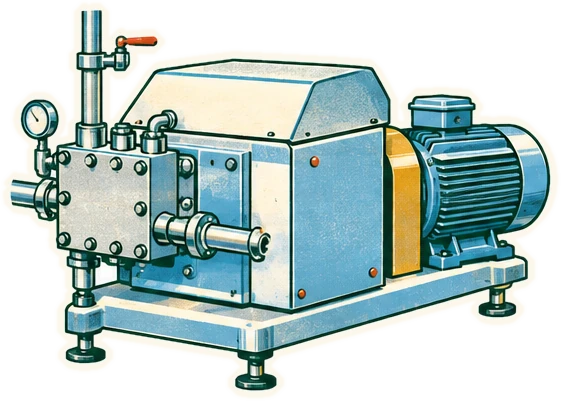
From Farm Milk to Finished Product
Every product follows the same trunk. The exact process then branches depending on the intended product: pick a branch to follow the milk.
- 1Farm Milk
- 2Collection
- 3Reception
- 4Testing
- 5Storage
- 6Standardization / Preparation
- 7Processing
- 8Product Formation
- 9Packaging
- 10Quality Release
- 11Finished Product

What a Dairy Factory Consumes
- Raw milk
- Cream
- Dairy intermediates
- Whey or other dairy streams

Products, By-Products and Information
A plant produces more than finished dairy products. Modern factories increasingly treat both by-products and data as resources.
- Commercial productsMilk · Yogurt · Fermented dairy · Cheese · Cream · Butter · Desserts · Milk powders · Other dairy products
- Secondary product streamsWhey · Cream fractions · Buttermilk · Other recoverable dairy streams
- Environmental outputsWastewater · Sludge · Packaging waste · Cleaning residues · Heat
- Data outputsBatch records · Laboratory results · Yields · Energy consumption · Product release data · Traceability records

Nine Technical Domains
GEO Dairy organizes Midstream into eight technical domains and one Integrated domain. This taxonomy remains identical across the website, master portfolio, Navigator and CMS.
 M01FacilitiesWhere and in what physical environment does dairy manufacturing occur?
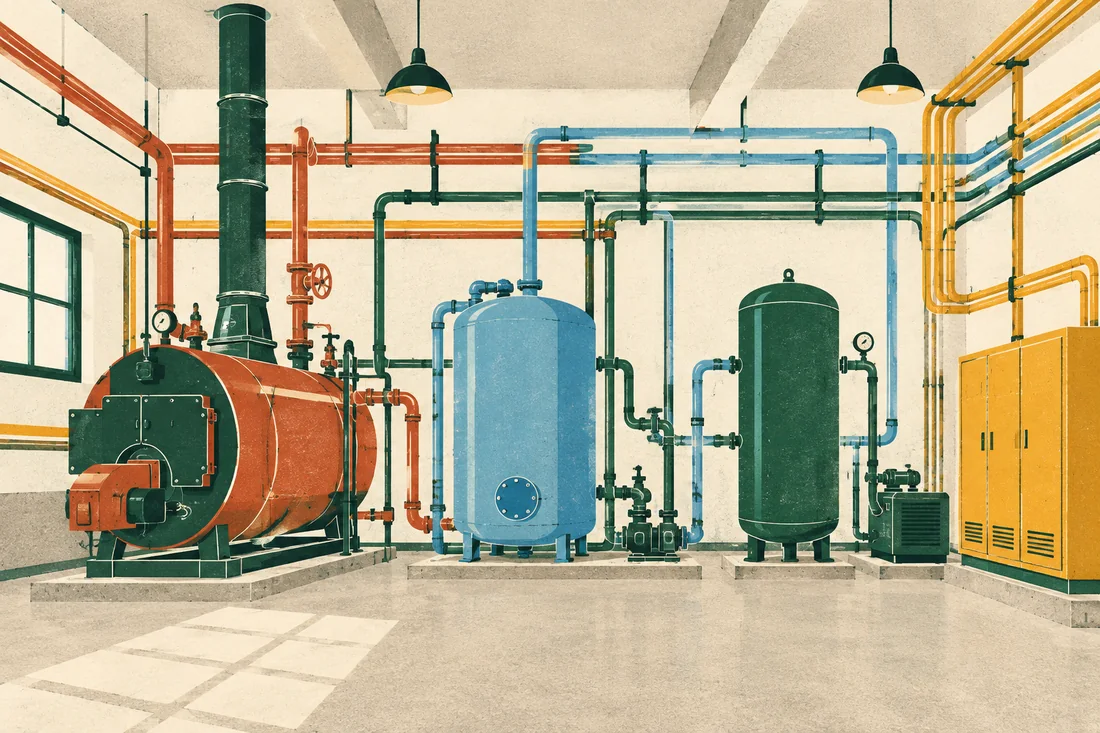 M02UtilitiesWhat technical services power and support the plant?
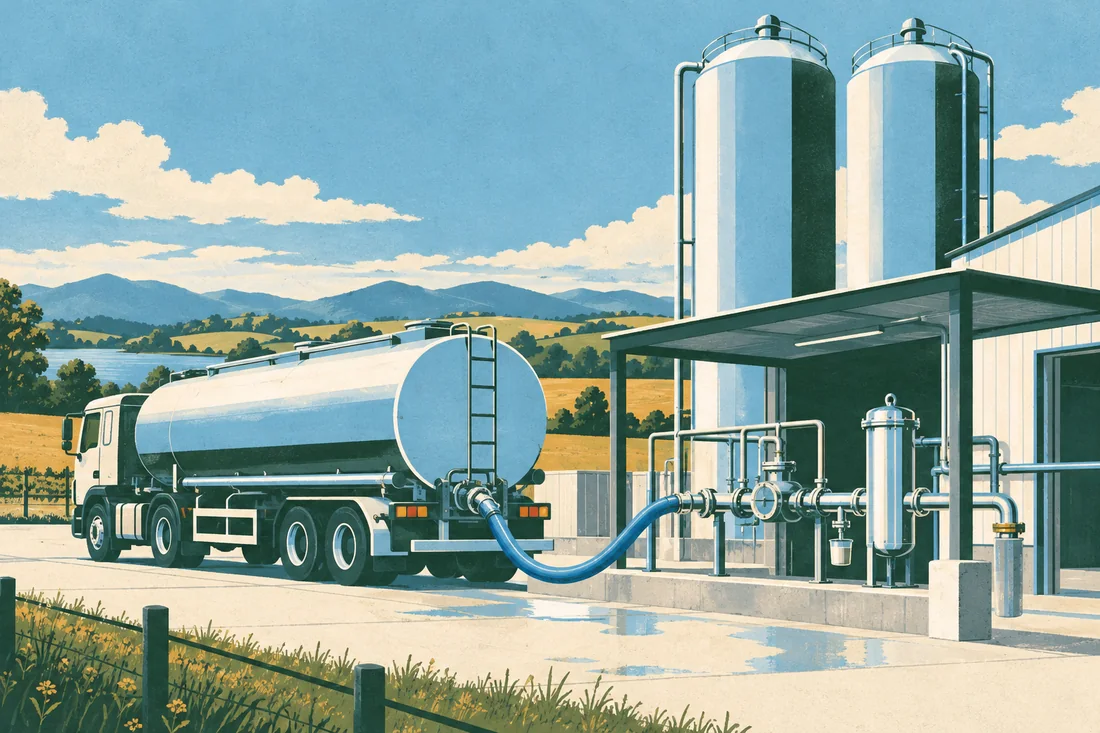 M03ReceptionHow is raw milk collected, received, tested and prepared for processing?
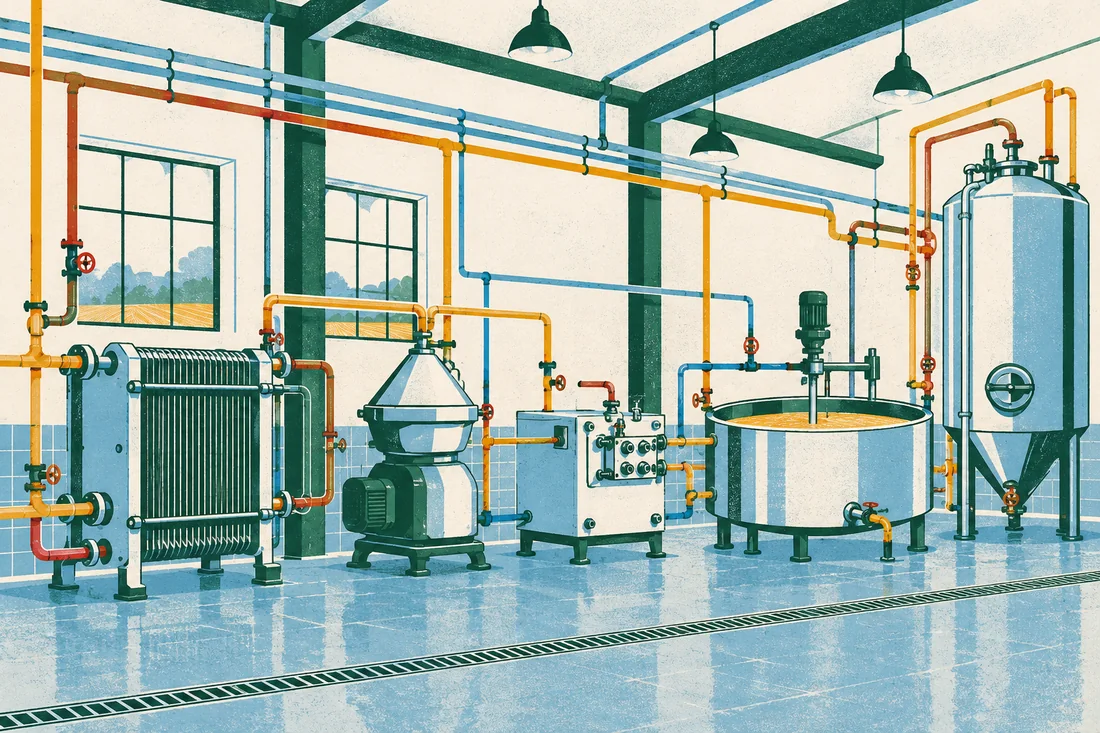 M04ProcessingHow is raw milk transformed into dairy products?
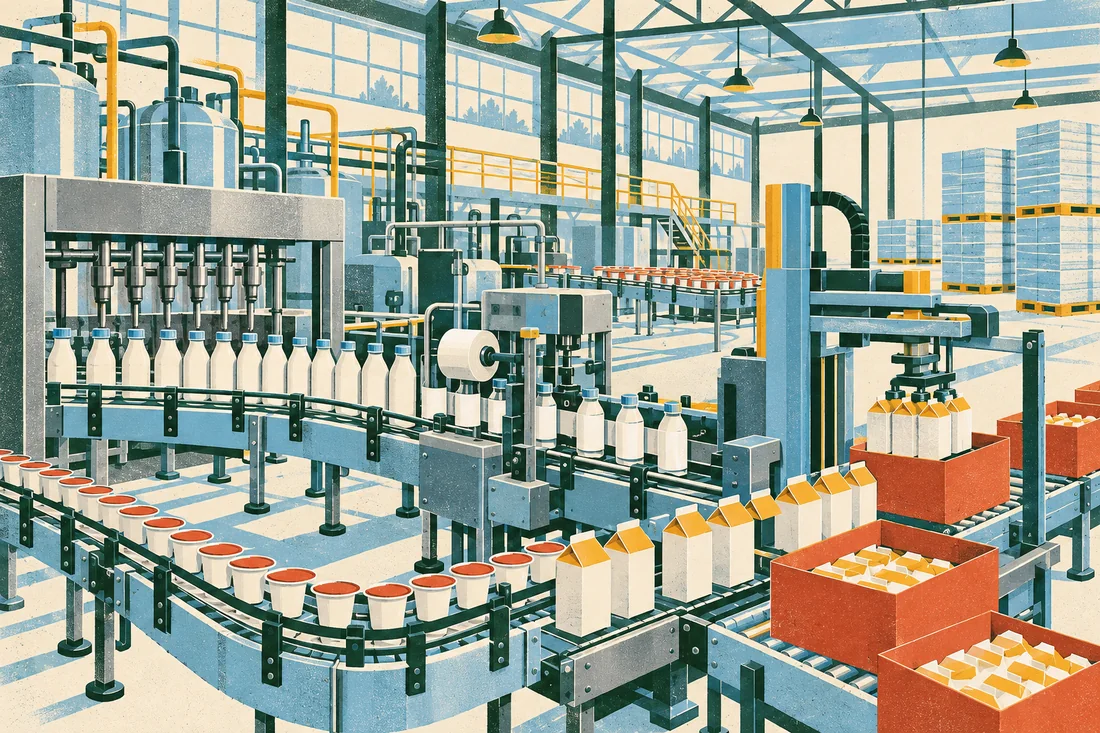 M05PackagingHow is the product protected and converted into a market-ready unit?
 M06QualityHow do we verify that materials, processes and products meet requirements?
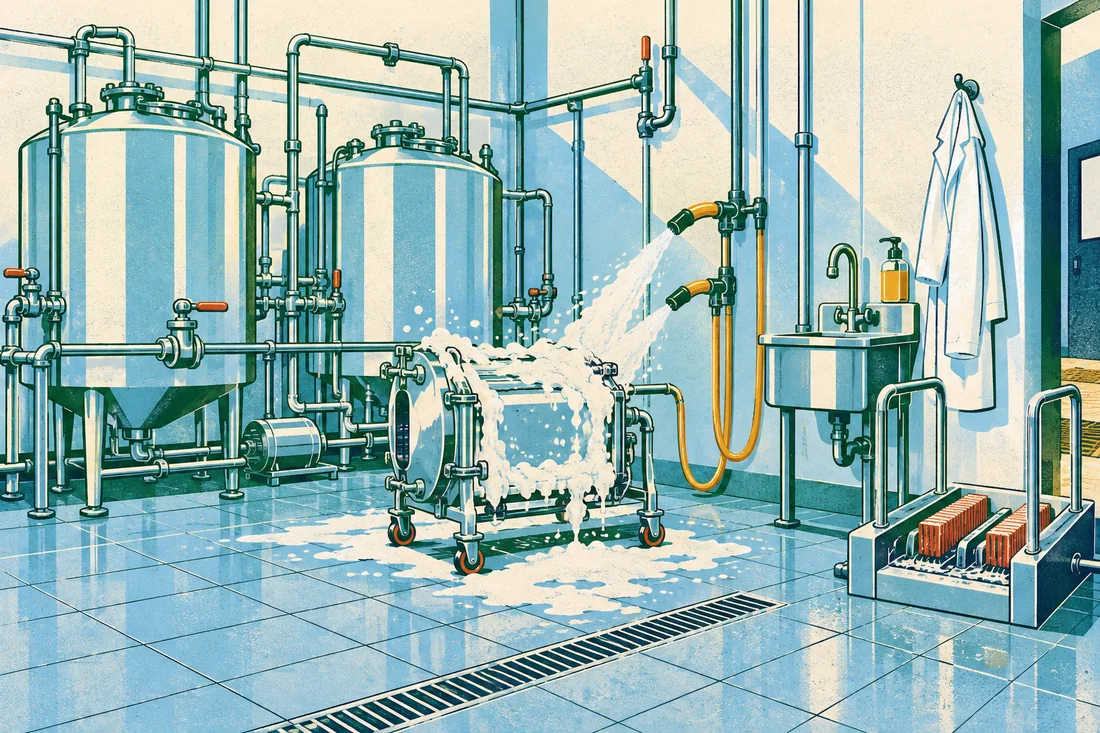 M07HygieneHow do we keep the production system clean and contamination-controlled?
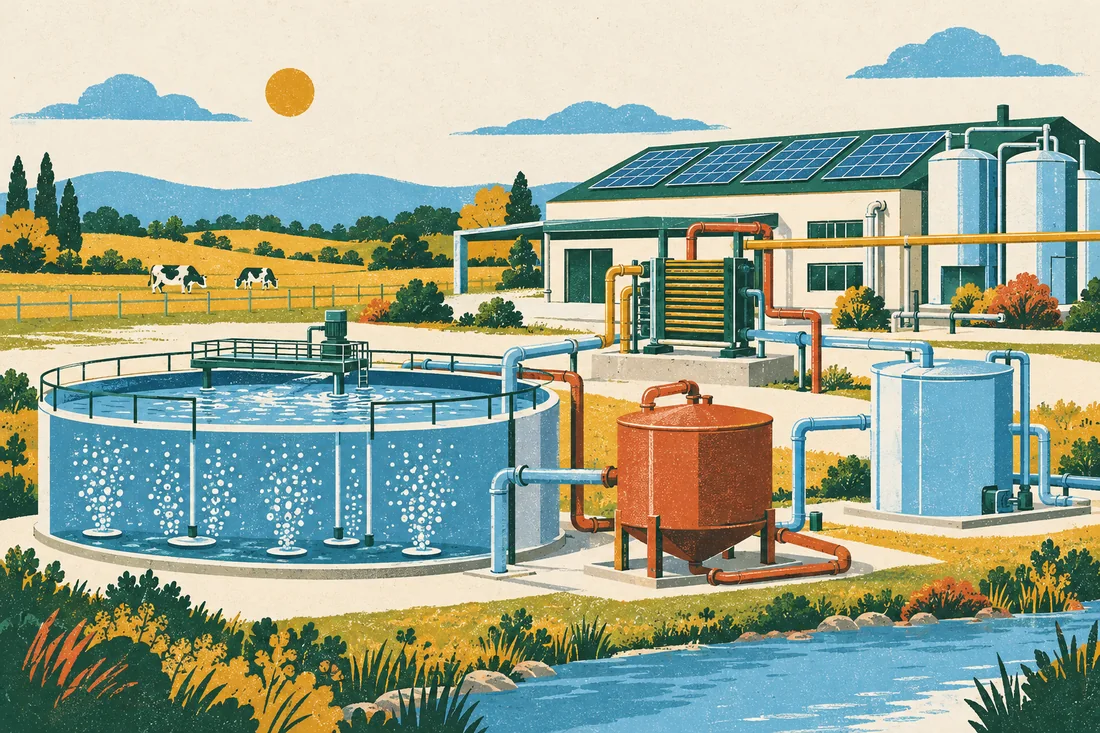 M08EnvironmentHow are wastewater, waste, emissions and resource flows managed?
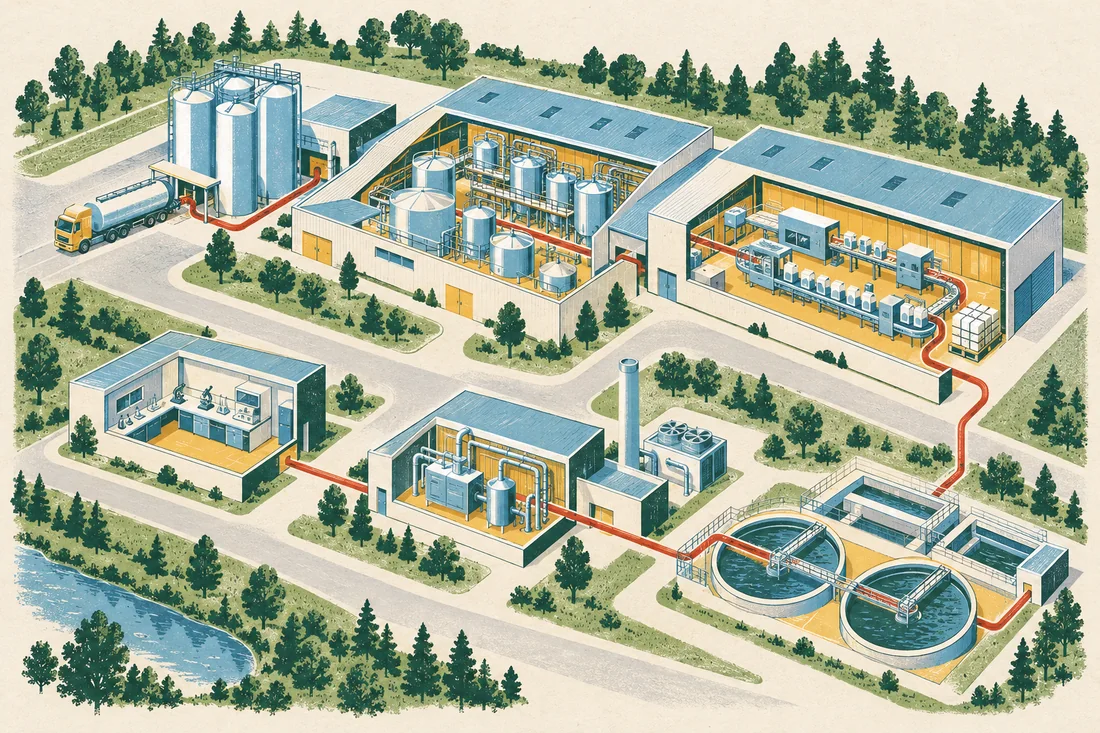 MXIntegratedHow are several or all Midstream systems designed and operated together?

M01 Facilities
Facilities covers the buildings, rooms, zones, structures and physical layouts required for dairy reception, manufacturing, packaging and supporting operations.
- Dairy factory buildings
- Raw-milk reception areas
- Processing halls
- Packaging rooms
- Laboratories
- Hygiene stations
- CIP rooms
- Cold rooms
- Utility rooms
- Ingredient stores
- Staff facilities
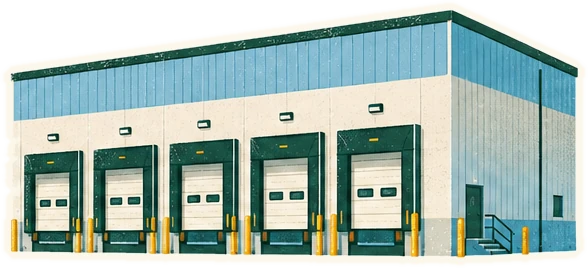
- Loading areas
- Waste areas
A dairy factory layout should control product flow, people flow, materials, waste, hygiene zoning and maintenance access simultaneously. A good plant is not merely a building containing machines.
It is a controlled production environment.
 Dairy factory buildingsRaw-milk reception areasProcessing hallsPackaging roomsLaboratoriesHygiene stationsCIP roomsCold roomsUtility roomsIngredient storesStaff facilitiesLoading areasWaste areas


M02 Utilities
Utilities provides the energy, thermal, water, refrigeration, pneumatic and support systems required to operate dairy processes reliably.
Electricity · Backup power · Steam · Hot water · Chilled water · Glycol · Refrigeration · Potable/process water · Water treatment · Compressed air · HVAC · Process cooling · Condensate recovery
Many dairy processes are fundamentally thermal. Milk must be heated, cooled, held, fermented, chilled or frozen under controlled conditions. Utility design therefore directly affects product quality, plant capacity and operating cost.
Utilities are part of the production process, not merely building services.
M03 Reception
Reception covers the collection, transport interface, acceptance, measurement, sampling, testing, unloading and temporary storage of raw milk before processing.
Reception is the point at which Upstream milk becomes a controlled Midstream raw material. A processor must answer:
Is this milk acceptable, traceable, safe to receive and suitable for the product we intend to manufacture?
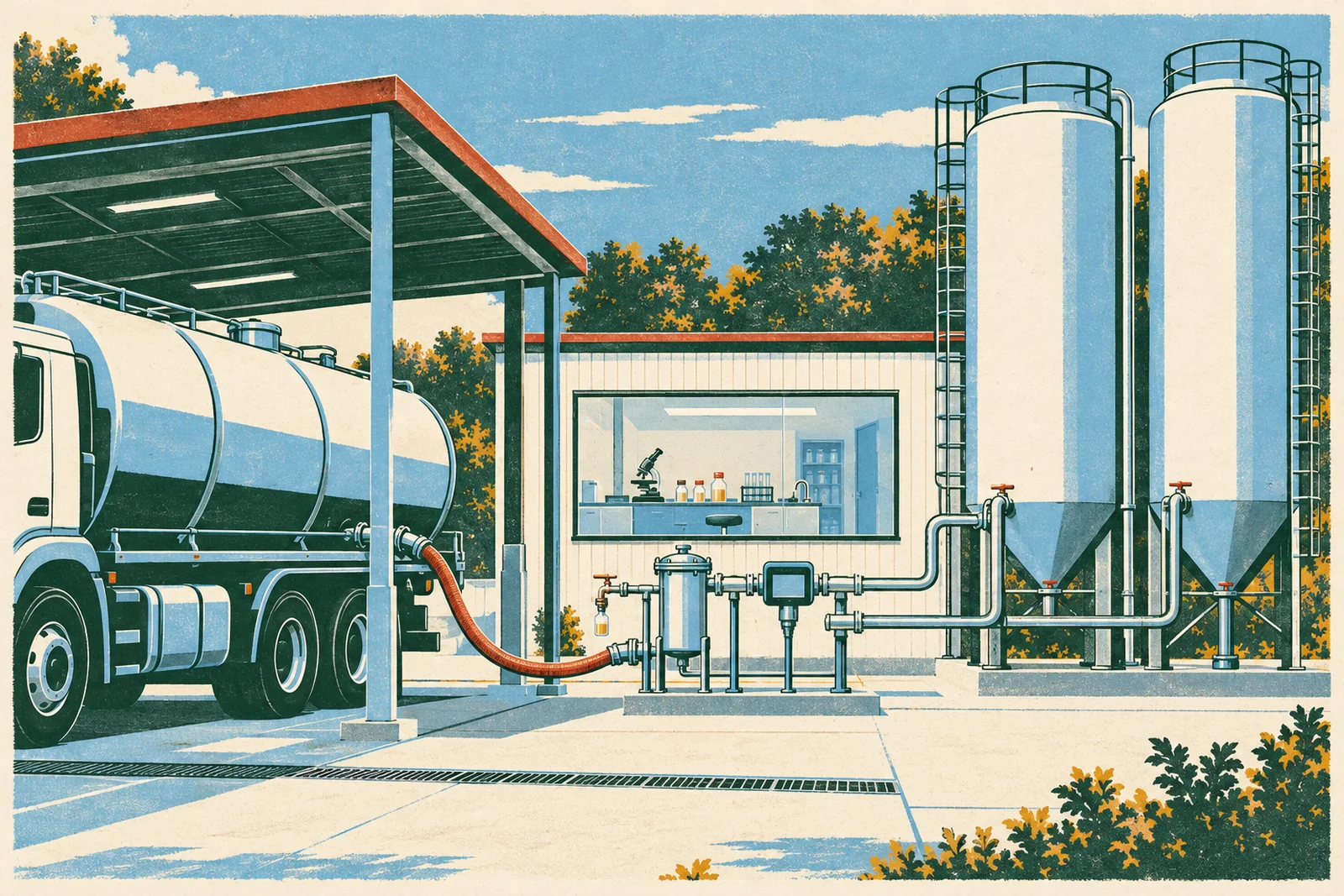
- 01Raw-milk collection
- 02Tanker management
- 03Reception scheduling
- 04Sampling
- 05Rapid quality testing
- 06Temperature checking
- 07Volume/weight measurement
- 08Unloading
- 09Filtration
- 10Reception cooling
- 11Raw-milk silos
- 12Supplier/batch identification
Milk
Pick operationsor start from an example above.
M04 Processing
Processing covers the physical, thermal, biological and chemical operations used to transform milk into dairy products.
Depending on the product, this can include any of the operations shown. Processing is where raw milk becomes a product with a different composition, structure, shelf life or consumer use.
This is the core transformation domain of Midstream.

M05 Packaging
Packaging covers the systems used to contain, protect, identify and present the finished dairy product.
Filling · Sealing · Cups · Bottles · Cartons · Pouches · Vacuum packaging · Thermoforming · Wrapping · Labeling · Coding · Secondary packaging · Case packing · Pallet preparation

- 1Filling
- 2Sealing
- 3Coding
- 4Labeling
- 5Case packing
- 6Pallet
Packaging is part of manufacturing because it determines product protection, shelf life, food safety, traceability and readiness for the market. Midstream does not end when the product leaves the processing vessel. It ends when the product is appropriately packed and released as a finished product.

M06 Quality
Quality covers the systems used to define, measure, verify and release raw materials, processes and products against established requirements.
Laboratory systems · raw-milk testing · microbiology · chemistry · product specifications · sensory evaluation · sampling plans · food safety · HACCP · traceability · non-conformance · product release · quality documentation
Quality answers the question: “Does the milk, process or product meet the required specification?” It is broader than testing: it includes the systems that ensure the correct result is produced consistently.
RELEASEAll parameters within specification.
Illustrative specification. Real limits come from regulation and commercial requirements.

Residue and microbes on the surface100%
M07 Hygiene
Hygiene covers the cleaning, sanitation and contamination-control systems required to maintain safe dairy production environments and equipment.
CIP · COP · detergents · disinfectants · cleaning programs · hygienic zoning · personal hygiene · handwashing · equipment sanitation · environmental hygiene · cleaning verification · hygienic design
Quality asks“Is it correct?”
Hygiene asks“Is the production environment clean enough to keep it correct?”

M08 Environment
Environment covers the environmental flows and impacts associated with dairy processing and the systems used to control, recover or treat them.
Wastewater · high-organic-load effluent · fats · sludge · cleaning chemicals · packaging waste · product losses · odors · energy losses · heat recovery · water reuse · environmental monitoring
Milk lost to wastewater represents both an environmental load and a loss of valuable product that has already consumed resources throughout Upstream.
Environmental performance therefore begins with process efficiency.
Environmental load index100
MX Integrated
Integrated applies when a Midstream requirement crosses several technical domains and needs one coordinated factory-level solution.
- New dairy factory
- Processing-plant expansion
- Complete cheese plant
- Factory modernization
- Utility/process integration
- Plant automation
- Production-capacity expansion
- Full hygiene/quality upgrade
- Factory turnaround
Integrated is not a miscellaneous category. It is the composition layer where multiple Midstream domains are coordinated into one functioning manufacturing system.

Specialization Without Losing the Plant-Level View
A process engineer, refrigeration engineer, food technologist, packaging specialist, microbiologist and hygiene specialist have different responsibilities. Yet their decisions interact.
- Processing determines heating load.
- Utilities determines whether that process can run.
- Packaging affects shelf life.
- Hygiene affects microbiological control.
- Quality determines whether the product can be released.
- Environment is affected by product and cleaning losses.
Separate technical accountability. Integrate production decisions.
The Factory Does Not Receive a Perfectly Uniform Input
Raw milk changes with animal genetics, feed, lactation stage, season, health, farm hygiene and storage conditions. Midstream must therefore measure and manage variation before transformation begins.
This is one of the strongest interfaces between Upstream and Midstream.
- ResiduesNot detected
- Physical contaminationNone found
Shaded bands are typical ranges, illustrative. Each tanker is a simulated sample.
Move Raw Milk Without Losing Its Value
Where milk comes from multiple farms, collection becomes a production function rather than ordinary transport. It must manage:
A collection system can destroy or preserve the quality created at farm level.
Not Every Tanker Should Automatically Enter the Plant
Reception creates a control point between the farm network and the factory. Milk should be checked against defined acceptance criteria before it enters processing inventory. Pick a tanker and watch it go through.
- 1Supplier identity
- 2Temperature
- 3Sensory inspection
- 4Rapid testing
- 5Residues / adulteration
- 6Sampling
- 7Acceptance / rejection
- 8Unloading
Exact tests and acceptance limits are defined by regulatory and commercial requirements, not on this overview page.
Control the Composition Before Making the Product
Raw milk composition varies. Many commercial products require controlled fat and solids levels. Separation can divide milk into cream + skim milk, and standardization recombines or adjusts components to meet product requirements.
Raw milk 4.0 % fat, cream 40 %, skim 0.05 %. Preset fat levels are illustrative.
Control Microbiology Through Time and Temperature
Heat treatment is central to many dairy-processing systems. The process selected depends on the product, the desired shelf life and regulatory requirements. Correct thermal processing requires
- temperature
- holding time
- flow
- control
- verification
not simply “heating the milk.”
Temperature72 °C
Held for15 sneeds 15 s
Diversion valveForward
Typical treatments; actual values depend on product and regulation.
Not homogenized
Homogenized
Control Physical Structure
Homogenization reduces the size of fat globules and changes the physical stability and texture of products such as drinking milk and cultured dairy. It affects:
- Creaming
- Appearance
- Texture
- Mouthfeel
- Process behavior
Not every dairy product requires homogenization, which demonstrates why process selection must follow product design.
Using Microbiology as a Manufacturing Tool
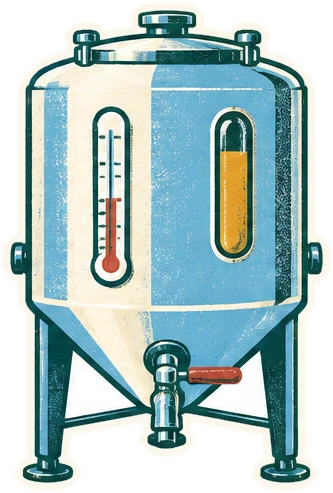
Products such as yogurt, kefir, cultured milk, sour cream depend on controlled fermentation. In fermented dairy, microorganisms are not merely contaminants to eliminate. Selected cultures are deliberately managed as part of the manufacturing process.
- Milk preparation
- Heat treatment
- Culture addition
- Fermentation
- Cooling
- Blending / filling
That makes temperature, time, culture quality and contamination control particularly important.
pH 6.6
Illustrative acidification curve.

Concentrating Milk Into a High-Value Product
Cheese economics depend strongly on milk composition, especially protein and fat, as well as process yield and loss control. This creates a direct incentive to coordinate the farm milk specification with the intended cheese product.
- Milk
- Preparation
- Culture / Enzyme
- Coagulation
- Cutting
- Whey Separation
- Forming
- Salting
- Ripening where applicable
- Packaging
10.4kg of cheese from 100 kg of milk
Van Slyke yield for a 37 % moisture cheese. Illustrative.
Per 100 kg of milk. Cream 40 % fat, butter 82 % fat. Illustrative.
Managing Milk Fat as a Separate Value Stream
Separation allows processors to manage milk fat independently from skim components. Cream can be sold directly or processed further into butter and other products.
The value of milk depends partly on how effectively its components are allocated between products.
Remove Water to Extend Shelf Life and Improve Transportability
Products may include condensed milk, evaporated dairy, milk powder, whey powder and dairy ingredients. These technologies require substantial energy, process control and scale. Not every dairy market or plant should therefore include them.
Milk
evaporation →Concentrate
drying →Powder
Per 100 kg of whole milk with 12.5 kg of solids; powder at about 97 % solids. Illustrative.

Many Dairy Products Are Designed Products
Modern dairy manufacturing often combines milk with cultures, sugar, fruit, salt, stabilizers, enzymes or other permitted ingredients according to defined recipes. Formulation affects composition, texture, flavor, nutrition, cost, stability and shelf life.
- Food technology +
- Procurement +
- Processing +
- Quality +
- Commercial strategy
This creates an interface between all five.
- Energy
- Sugar
- Texture
- Cost
- Stability
Illustrative indices, not a recipe.

The Factory Should Produce What the Market Can Sell
Processing technology should follow the intended product portfolio, not the other way around. Before selecting a line, a dairy business should understand its product category, target consumer, pack size, shelf life, daily volume, seasonality, expected selling price, channel and quality positioning.
Do not buy a processing line first and search for a market afterward.
Product category
Shelf life
Daily volume

Illustrative scores, 1 to 5; real choices depend on the product and the market.
The Consumer Experiences the Package Before the Factory
Packaging must balance food protection, shelf life, machine compatibility, cost, transport efficiency, consumer convenience, branding and environmental considerations.
A technically excellent dairy product can still fail commercially through poor package selection.
Every Pack Should Belong to a Traceable Batch
A modern plant should be able to connect a finished product back to its packaging batch, production batch, process parameters, raw-milk silo, tanker or collection, and supplying farms where required. Traceability allows the plant to investigate quality problems, manage recalls and understand production performance. Digital systems make this increasingly practical. Pick any pack, or any farm.
Supplying farmsTanker / collectionRaw-milk siloProduction batchPackaging batchFinished packs
Measure the Product Throughout Its Journey
Quality control may occur at five points. The testing program should follow product risk and specification.
- Composition
- Acidity / pH
- Temperature
- Microbiology
Prevent Problems Rather Than Only Detect Them
Quality Control tests samples. Quality Assurance builds the systems intended to prevent non-conforming products from being produced.
- Specifications
- SOPs
- Supplier approval
- HACCP
- Calibration
- Corrective actions
- Audits
- Training
- Documentation
- Release procedures
This distinction helps explain why the Quality domain is more than a laboratory.
Defects produced 0Caught before release 0Reaching the customer 0
Simulation: control catches most defects; assurance makes fewer.
Safety Must Be Designed Into the Factory
Food safety cannot be added after plant construction. Facility layout, hygienic zoning, equipment selection, water systems, drainage, temperature control and cleaning access all influence food-safety performance. The factory should be designed around
hazard prevention + controlled processes + verification + traceability
rather than relying only on finished-product testing. Switch layers off to see what gets through.
Hazards entering 0Reaching the product 0
Simulation of layered protection.

- Pre-rinse
- Chemical wash
- Intermediate rinse
- Acid / alkaline step
- Final rinse
- Sanitization where applicable
Cleaning Is a Production Process
Cleaning consumes water, chemicals, heat and time. Poor CIP creates contamination risk; excessive CIP wastes resources and reduces productive operating time. The objective is clean enough, verified, repeatable and resource-efficient.
Find where soil can hide
Click the processing line to find the four places where soil can hide even when operators follow cleaning procedures.
Equipment Should Be Designed to Be Cleaned
Sanitation depends partly on equipment geometry. Dead legs, poor drainage, inaccessible surfaces and inappropriate materials can create contamination risks even when operators follow cleaning procedures. Hygienic design affects:
- Tanks
- Piping
- Valves
- Pumps
- Fillers
- Drains
- Floors
- Walls
- Interfaces
The Hygiene domain therefore begins with Engineering, not only daily cleaning.

A Major Process and Hygiene Resource
Different uses may require different water qualities, but water that comes into contact with food or food-contact systems must meet appropriate safety requirements.
- Product processing where permitted
- CIP
- Washing
- Cooling
- Boilers
- Staff hygiene
- Utilities
Water efficiency should follow the order shown: reduce, segregate, recover where appropriate, reuse safely, treat.
Cold Is One of the Factory’s Most Important Utilities
Refrigeration capacity must be designed around simultaneous peak loads, ambient conditions and production schedule, not simply average daily consumption. Poor refrigeration design can limit the entire plant even when processing machines have sufficient nominal capacity.
Average load 0Simultaneous peak 0Peak ÷ average 0
Illustrative load profiles over 24 hours, relative units.
Heat to buy100
Illustrative thermal-demand index; actual savings depend on the plant.
Processing Requires Thermal Energy
Heat may be required for pasteurization, CIP, hot water, cooking, evaporation, process preparation. At the same time, heat can sometimes be recovered from hot product, refrigeration systems, condensate, exhaust / process streams.
Energy efficiency should begin with process integration before simply adding renewable generation.
Dairy Wastewater Is Often Product-Rich
Dairy wastewater can contain milk solids, fat, proteins, cleaning chemicals and high organic loads. Allowing valuable product to enter drains increases both economic loss and treatment cost. This connects production efficiency directly to environmental performance. The preferred hierarchy is:
- Prevent product loss
- Segregate concentrated streams
- Recover valuable material
- Reduce water use
- Treat remaining wastewater
Plant of 50 t of milk a day; milk valued at 0.45 per litre, about 100 g of oxygen demand per litre of milk. Illustrative.

A By-Product Can Become a Product
Cheese production generates substantial whey: about nine kilograms for every kilogram of hard cheese. Depending on scale and market, the pathways shown can open up. Whether recovery is economically justified depends on volume, composition, transport, technology and market.
The worst option is often uncontrolled disposal of a nutrient-rich stream.
Volume thresholds are illustrative; each plant needs its own analysis.
A Plant Must Coordinate Time, Milk and Market Demand
Milk arrives continuously or frequently, while customer demand may vary. Production planning must coordinate
- Raw-milk availability
- Product demand
- Process capacity
- Cleaning
- Changeovers
- Packaging availability
- Storage
- Workforce
A plant with large installed capacity can still perform poorly if production planning is weak.

Repeatability Through Control
Modern systems can automate
- Valves
- Pumps
- Recipes
- Temperatures
- Flow
- Tank routing
- CIP
- Filling
- Coding
- Data collection
Automation reduces reliance on manual repetition, but it also increases the importance of correct configuration, instrumentation and maintenance. The objective is
repeatable product + traceable process + efficient operation
Pasteurizer outlet temperature, target 72 °C.
Simulation. Spread is illustrative.

From Production Records to Decisions
Useful plant data can include litres received, product yield, losses, energy, water, downtime, OEE, CIP consumption, quality results, waste and packaging consumption.
raw-milk quality→process performance→product quality→customer outcome
A future intelligent plant can connect all four, allowing continuous improvement rather than only retrospective reporting.
- Litres received
- Product yield
- Losses
- Energy
- Water
- Downtime
- OEE
- CIP consumption
- Quality results
- Waste
- Packaging consumption
0OEE %
Simulated plant data. OEE = availability × performance × quality.
Unplanned stops 0Milk at risk 0
A simulated month for one critical machine. Illustrative.
A Factory Cannot Produce When Critical Systems Stop
Midstream maintenance must cover processing equipment, pumps, valves, refrigeration, boilers, compressors, fillers, CIP, sensors, instrumentation.
Preventive and predictive maintenance can be economically more important than repairing equipment after failure, particularly when downtime causes milk loss or product spoilage.
Food Manufacturing Requires Specialized People
A modern dairy plant runs around the clock. Automation changes these roles but does not remove the need for competent people.
RoleDayEveningNightDomains served
Plant managerMX Integrated
Production managerM04 ProcessingM05 Packaging
Dairy technologistM04 ProcessingM06 Quality
Process operatorsM04 Processing
Packaging operatorsM05 Packaging
Laboratory staffM06 QualityM03 Reception
QA/QC staffM06 Quality
Hygiene teamM07 Hygiene
Maintenance techniciansM02 UtilitiesM01 Facilities
Refrigeration specialistsM02 Utilities
Utility operatorsM02 UtilitiesM08 Environment
Warehouse interface staffM05 Packaging

Processing Economics Begin With Yield
Raw milk + ingredients + utilities + labor + packaging + maintenance + finance / depreciation → finished-product revenue
But a critical variable is: how much saleable product is produced from each unit of milk? Yield losses may occur through reception, tanks, product changeovers, equipment hold-up, whey or fines losses, filling, rejects and wastewater.
Small percentage losses can become very large annual values.
96.2 %
Milk valued at 0.45 per litre; 365 days. Illustrative.
Value of the milk stream 0
Value index per litre: drinking milk 100, yogurt 135, cheese 160, cream and butter 120. The tick on each pipe is its line capacity. Illustrative.
One Litre of Milk Can Have Different Economic Destinations
A processor may allocate milk to drinking milk, yogurt, cheese, cream, butter and other products. The optimal mix depends on milk composition, plant capability, market demand, processing yield, packaging, shelf life, product price and by-product value.
A processing plant should optimize the value of the complete milk stream, not just maximize throughput.
Capacity Should Follow Supply and Market
Very small facilities can suffer from
- high unit capital cost;
- limited automation;
- weak laboratory economics.
Very large plants can suffer from
- excessive milk collection radius;
- dependence on large supply volumes;
- underutilization;
- distribution complexity.
The correct plant scale is where reliable milk supply, process economics and market demand intersect.
Schematic cost curves, not data.

More Products Can Mean More Complexity
A flexible multi-product factory can serve several markets but may require more tanks, more changeovers, more CIP, additional packaging formats, more inventory and more complex scheduling. A dedicated plant may be more efficient but less adaptable. The correct configuration should follow the commercial strategy.
Dedicated plant
Flexible multi-product plant
Each dot is 1 litre of milk entering the plant. Indices are illustrative, 0 to 100.
Produce More Saleable Product From Every Resource
Key indicators include product yield, water per tonne, energy per tonne, cleaning chemical use, wastewater load, product loss, packaging intensity, heat recovery and refrigeration efficiency.
The most sustainable litre of milk entering a factory is one that becomes a saleable product rather than wastewater.
Professional Capability Across Every Domain
Within each Midstream domain, GEO Dairy can organize five kinds of professional action. Midstream → Processing → Engineering is different from Midstream → Processing → Operations. Pick a domain and walk the chevrons.
- AdvisoryWhat should be done?
- EngineeringHow should it be designed?
- ImplementationHow should it be installed and commissioned?
- OperationsWho will perform or manage the recurring process?
- DevelopmentHow can capability or performance improve?
What a Dairy Plant Needs to Obtain
The Midstream technical domains interact with five supply directions: infrastructure, equipment, inputs, finance and workforce. Pick a domain to stock the shelves.

Who Participates in Dairy Manufacturing?
Sixteen kinds of participant, from processors, collectors and food technologists to equipment makers, packaging companies, refrigeration specialists, finance providers and certification professionals.
GEO Dairy can connect these participants through its controlled technical taxonomy.
- Producers
- Technical
- Suppliers
- Enablers
The Factory Depends on the Milk It Receives
The principal upstream interfaces include volume, collection timing, temperature, fat, protein, solids, bacterial quality, residues and traceability. The processor cannot economically correct every upstream problem after milk arrives, so better coordination between farm and factory improves both product quality and processing economics.
Midstream quality starts upstream.
The same interface, seen from the farm →- Cheese from 100 kg of milk10.4 kg
- Product shelf life14 days
- Processing riskLow
Illustrative relationships, not a specification.
The Factory Must Produce for a Market
Downstream sends requirements upstream into manufacturing. Midstream should not optimize the factory independently of the commercial system: a technically efficient product that does not match market demand is still an inefficient business outcome.
- Customer demandRetail asks for more yogurt next month.
- Product specificationRecipe, composition and quality targets.
- Package formatCup size, lid, label and case.
- Shelf lifeDays between production and the last day of sale.
- Production scheduleWhich line, which day, how often.
- Milk requirementLitres, composition and timing from Upstream.
Upstream determines what milk is possible. Downstream determines what product is valuable. Midstream must connect the two.

Processing the Output of a Distributed Production Network
In Dairy Grid, raw milk is produced by distributed Family Farm units but can be aggregated and transformed through larger shared Midstream capabilities. This allows processing equipment and specialist expertise to operate at a scale different from farm ownership.
Distribute biological production where ownership and daily management matter. Concentrate processing where technology and scale create value.
- Milk collection
- Testing
- Cooling
- Reception
- Processing
- Cheese production
- Packaging
- Laboratories
- Quality systems
Where each capability sits is decided by analysis, not by symmetry. Municipality and Province are examples.
Processing Does Not Need to Exist at Every Village
A processing location should be determined by the factors below. The exact location should be set by business and engineering analysis rather than organizational symmetry. Weigh the factors and see which candidate site wins.
Candidate sites and scores are illustrative.

Start With the Technical Need, or Let Navigator Guide You
Visitors who already understand their requirement can select a domain, then choose Service or Supply. A visitor who does not know the technical category can describe the problem, and Navigator helps diagnose cross-domain problems rather than forcing a single choice.
- Facilities
- Utilities
- Reception
- Processing
- Packaging
- Quality
- Hygiene
- Environment
- Integrated
Explore the Midstream Domains
Nine large cards. Turn one over to choose what you need: a professional service, or something to supply.
- M01 · FacilitiesServiceAdvisoryEngineeringImplementationOperationsDevelopmentSupplyInfrastructureEquipmentInputsFinanceWorkforceNot sure? Ask Navigator →
- M02 · UtilitiesServiceAdvisoryEngineeringImplementationOperationsDevelopmentSupplyInfrastructureEquipmentInputsFinanceWorkforceNot sure? Ask Navigator →
- M03 · ReceptionServiceAdvisoryEngineeringImplementationOperationsDevelopmentSupplyInfrastructureEquipmentInputsFinanceWorkforceNot sure? Ask Navigator →
- M04 · ProcessingServiceAdvisoryEngineeringImplementationOperationsDevelopmentSupplyInfrastructureEquipmentInputsFinanceWorkforceNot sure? Ask Navigator →
- M05 · PackagingServiceAdvisoryEngineeringImplementationOperationsDevelopmentSupplyInfrastructureEquipmentInputsFinanceWorkforceNot sure? Ask Navigator →
- M06 · QualityServiceAdvisoryEngineeringImplementationOperationsDevelopmentSupplyInfrastructureEquipmentInputsFinanceWorkforceNot sure? Ask Navigator →
- M07 · HygieneServiceAdvisoryEngineeringImplementationOperationsDevelopmentSupplyInfrastructureEquipmentInputsFinanceWorkforceNot sure? Ask Navigator →
- M08 · EnvironmentServiceAdvisoryEngineeringImplementationOperationsDevelopmentSupplyInfrastructureEquipmentInputsFinanceWorkforceNot sure? Ask Navigator →
- MX · IntegratedServiceAdvisoryEngineeringImplementationOperationsDevelopmentSupplyInfrastructureEquipmentInputsFinanceWorkforceNot sure? Ask Navigator →
What the Factory Makes
An informational product layer, not a replacement for the technical-domain taxonomy.
Domains describehow the factory is structured.
Product platforms describewhat the factory makes.
Typical emphasis
M01 Facilities
M02 Utilities
M03 Reception
M04 Processing
M05 Packaging
M06 Quality
M07 Hygiene
M08 Environment
Illustrative emphasis for the selected platform.


A Dairy Factory Is Where Biology Becomes a Repeatable Product
Raw milk arrives as a variable biological material. Midstream must transform that variability into products that consumers and markets can rely on: safe, consistent, correctly packaged and economically produced.
That requires more than processing equipment. It requires facilities, utilities, reception, technology, hygiene, quality, environmental systems and people working as one manufacturing system.